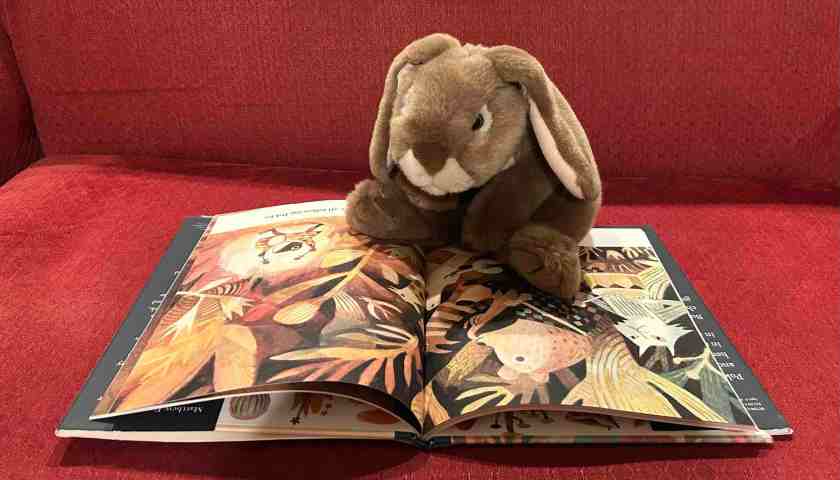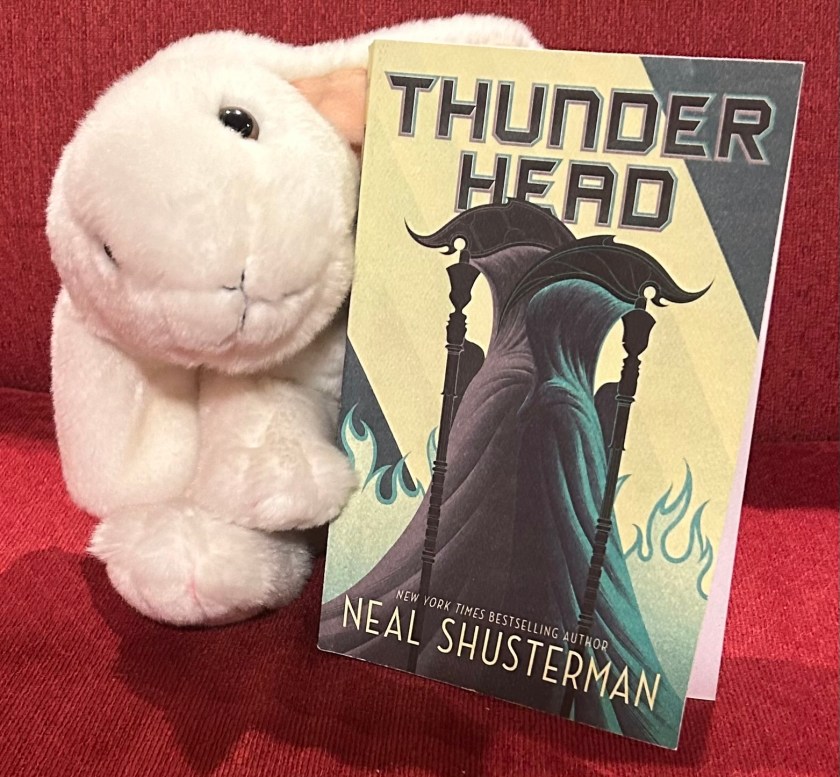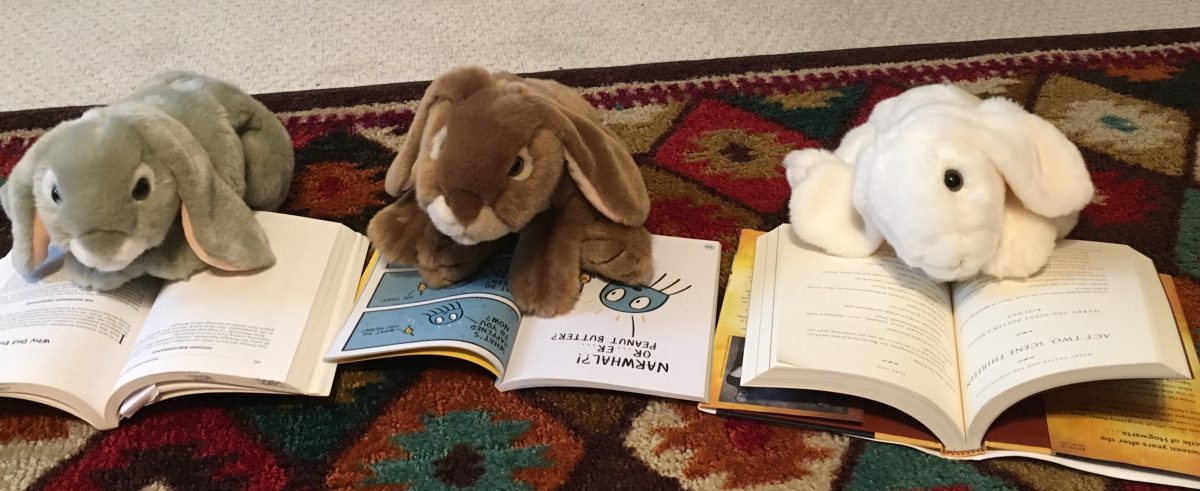
Marshmallow reviews Learning How to Learn: How to Succeed in School Without Spending All Your Time Studying (A Guide for Kids and Teens) by Barbara Oakley, Terrence Sejnowski, and Alistair McConville

Marshmallow occasionally reads and reviews books about how to be a good student and today she is writing about one such book: Learning How to Learn: How to Succeed in School Without Spending All Your Time Studying (A Guide for Kids and Teens), a neat book by Barbara Oakley, Terrence Sejnowski, and Alistair McConville, published originally in 2018.

Marshmallow reviews Learning How to Learn: How to Succeed in School Without Spending All Your Time Studying (A Guide for Kids and Teens) by Barbara Oakley, Terrence Sejnowski, and Alistair McConville.

Marshmallow’s Quick Take: If you are a student, a teacher, or anyone who has felt lost in school, then this is the book for you!

Marshmallow’s Summary (with Spoilers): The book starts off with a note to parents and teachers who are reading the book to help a young student. The book officially starts with one of the authors, Oakley, introducing herself to the reader. She writes that she used to be a student who focused only on her liberal arts subjects, feeling that science and math (the subjects she struggled in) were not relevant to her because she was following her passions. However, I was a bit surprised to read the next sentence in which she reveals that she is now a professor of engineering—which requires a deep understanding of science and math as she admits. The enabling factor of this switch was her ability to learn how to learn. She next introduces her co-authors Sejnowski and McConville and then describes how her life changed and how she changed to adapt.

Most chapters in the book have case examples of somebody who, like Oakley, demonstrates the importance of knowing how to learn. Some of the chapter names are as follows: “The Problem with Passion,” “Easy Does It: Why Trying Too Hard Can Sometimes Be Part of the Problem,” “I’ll Do It Later, Honest! Using a Tomato to Beat Procrastination,” “Brain-Links and Fun with Space Aliens,” “Learning While You Sleep: How to Wake Up Smarter,” and “Learning Surprises: Pssst…Your Worst Traits Can Be Your Best Traits!”

One can probably tell that the book is full of interesting yet slightly silly-sounding topics. The authors talk about and teach a lot about fascinating neuroscience, but they explain everything with metaphors and cartoon drawings. There are a lot of pictures and the text of the book is large, so it is overall very comprehensible.

I liked how the authors synthesize the most relevant parts into tips at the end of the chapter. In order to teach the reader how to get better at learning, each chapter also has a list of questions to answer that help you do some active recall. I felt like these end-of-chapter activities make the book feel very interactive and energetic!

Overall, the authors provide a lot of intriguing information and shrewd advice. Some of the strategies were ones I had heard of before or have discovered on my own as a student, but a lot of them were also new to me. Each chapter focuses on a general theme or topic, expanding on the subject at hand throughout. This book is a great source for all students, teachers, and bunnies looking to get better at learning or just understand how the brain works better!

Marshmallow is reading Learning How to Learn: How to Succeed in School Without Spending All Your Time Studying (A Guide for Kids and Teens) by Barbara Oakley, Terrence Sejnowski, and Alistair McConville.

Marshmallow’s Review: I would highly recommend Learning How to Learn to everyone, especially students. I think (and I have heard some of my friends at school talk about this) that a lot of students feel as though they have never actually been taught how to learn. This is partially true, as most students are never told how to study or do their homework. When students are working on their own time, away from school and the direction of teachers, they are not always very good at knowing where to go or what to do. This book provides a lot of good instructions and helps steer the reader on a clearer, better path.

I regret not having read this book earlier. I will try to establish some of the habits suggested by this book and I hope that I will be better at learning and learning how to learn. I have already, on my own volition, focused a lot on how to learn and be a good student. For people also interested in this topic, I would also recommend looking at Cal Newport’s How to Be a High School Superstar and How to Become a Straight-A Student. This book is a lot more kid-friendly though, and a lot easier to read and understand. I really liked how interactive Learning How to Learn is and how it has a lot of images to break down the more complex ideas. I think the authors have done a very good thing by writing this book.

I would highly recommend that parents read Learning How to Learn with their children—the younger and earlier, the better. Too many bunnies fall behind in school because they feel like they simply aren’t smart enough to learn the material. This book shows that you don’t need to be smart, at least not in the way you think; you just need to try your best in a smarter way. 

Marshmallow’s Rating: 100%.

Marshmallow rates Learning How to Learn: How to Succeed in School Without Spending All Your Time Studying (A Guide for Kids and Teens) by Barbara Oakley, Terrence Sejnowski, and Alistair McConville 100%.

Caramel reviews Artificial Condition: The Murderbot Diaries by Martha Wells

A few months ago, Caramel reviewed All Systems Red: The Murderbot Diaries by Martha Wells. Today he reviews Artificial Condition, the second book in the Murderbot Diaries saga, written originally in 2018. As usual, Sprinkles is taking notes and asking questions.
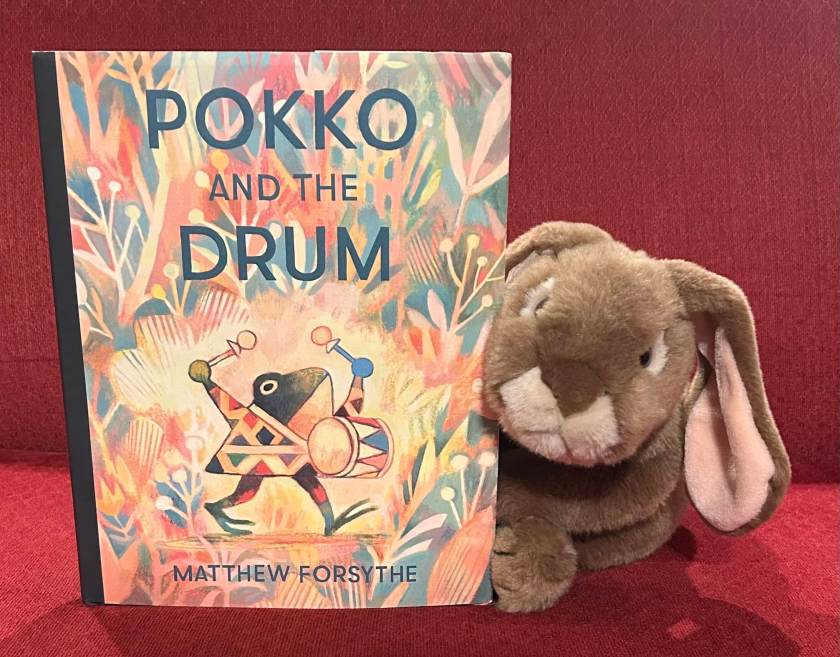
Caramel reviews Artificial Condition: The Murderbot Diaries by Martha Wells.

Sprinkles: So here we are ready to talk about a new Murderbot Diaries book. 

Caramel: Yeah, I like these books! This is the continuation of the first one, and I like it.

S: Okay, so maybe you can remind us a bit about what this is all about. Murderbot sounds kind of violent, like a technologically sophisticated and out-of-control killer robot. 

C: It is sort of true. The main character calls himself Murderbot, and he is definitely able to kill, he just sort of doesn’t.

S: Yes, I remember. He actually calls himself Murderbot kind of tongue in cheek, like a personal inside joke. He could kill everyone, but he just does not want to. Kind of. 

C: Yes, but he also is smart. He knows he is capable of killing humans, but also humans are very powerful and eventually they would capture him and melt him down. So even though humans sometimes really annoy him, he is kind of not going wild on a murderous rampage also because he does not want to die. 

S: We keep saying “he” and “die” and “wants” and so on, almost humanizing him. This is a cyborg, a part-organic, part-robot creature, who has hacked his own governing module, so he has about as much free will as the humans around him. 

C: Exactly. He has full control over his body and mind, and he enjoys watching soap operas instead of dealing with humans and killing things and so on. But he is a SecUnit, that means he is a security unit, his job is to defend the people who hire him, and so occasionally he has to fight. 

S: In the first book, he joined a group of scientists who were surveying a planet searching for anything useful or interesting. We even ended up watching the TV series they made out of that book. I think you enjoyed that a lot. 

C: Yes! I think it is more correct to say that we both enjoyed it. 

S: True. 

C: And this book takes over when that first book ended, and more or less where the first season of the TV show ends. Murderbot is now traveling on his own and he faces new enemies and makes new friends. 

S: That sounds cool! 

C: It is cool. There is a new character, a very powerful artificial intelligence, for example, and he is pretty cool. But he is annoying too, so Murderbot calls him ART in his mind. R and T stand for Research Transport, and A stands for a word I cannot say because I am a good little bunny who does not say bad words. (But don’t worry. There are not that many other bad words in the book.)

Caramel is reading Artificial Condition: The Murderbot Diaries by Martha Wells.

S: So it sounds like this book is quite fun too. Is it as fun as the first book? 

C: Yes, maybe more fun, he is now a security advisor. And he still loves to watch his soap operas, but he is also a lot more interested in doing things, helping people, solving problems, and so on. And he is still very funny. And he makes a lot of funny sideways comments.

S: That is wonderful, Caramel. You know I still have not read the first book. I did enjoy the TV series though. And talking to you about this book makes me want to go back to that first book and read it after all. So then I can also read this one. 

C: Can we maybe add the trailer?

S: We have included the trailer for the first season in your review of the first book. They do not seem to yet have the trailer for the second season, even though they apparently will have one. 

C: Oh, okay. At least maybe our readers can go and check out that first trailer. The show is funny, and a lot funnier than the trailer. 

S: Yes, the title “Murderbot” kind of turns off some people, but it is actually pretty funny and interesting. 

C: I can see why people might not like the name, but it is not really that violent most of the time. Though there are some violent scenes. After all it is a SecUnit and has to fight sometimes. 

S: Yes. Okay, maybe this is a good time to wrap up this review. 

C: Sure, I can always go back to reading!

S: Sounds like a good idea. But before that, what would you like to tell our readers?

C: Stay tuned for more book bunny reviews!
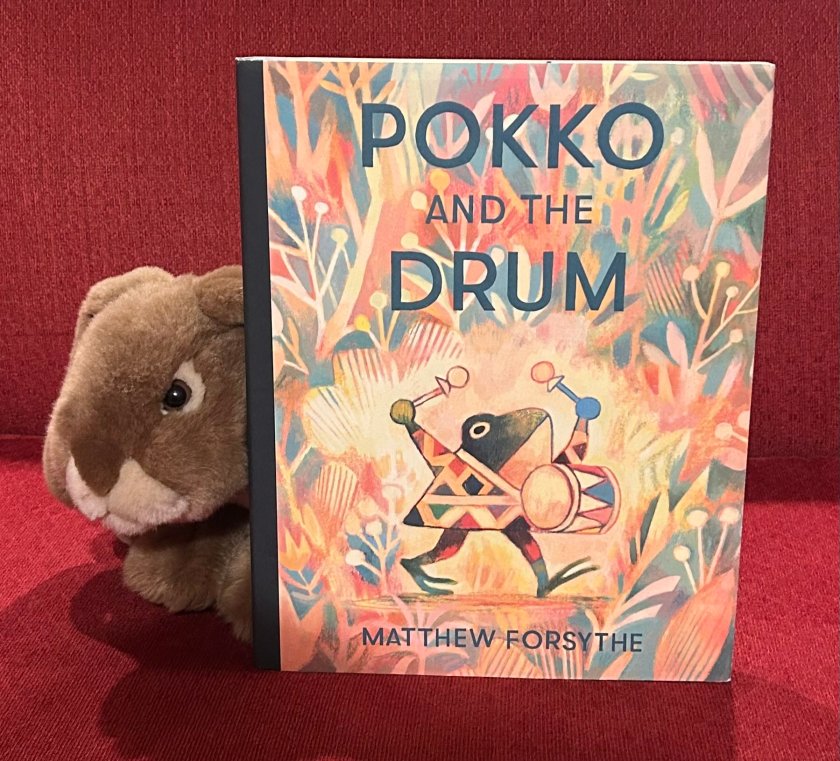
Caramel loved reading Artificial Condition: The Murderbot Diaries by Martha Wells and is looking to read many more books in this series in the coming weeks and months.

Marshmallow reviews The Light Eaters by Zoë Schlanger

Today Marshmallow reviews The Light Eaters: How the Unseen World of Plant Intelligence Offers a New Understanding of Life on Earth, a 2024 book by Zoë Schlanger.

Marshmallow reviews The Light Eaters by Zoë Schlanger.

Marshmallow’s Quick Take: If you like reading, then this is the book for you!

Marshmallow’s Summary: Generally, I tend to read fiction. As a result, most of the books I review here are fiction. However, this book was uniquely written and exists somewhere between the two. While it is completely centered on science and factual reality, some of the things I learned from it were so wonderful that I wonder whether we need fiction at all when nature has already provided us with such beautiful truths. (Sprinkles told me that this made her think of something the famous physicist Richard Feynman said: “I think nature’s imagination is so much greater than man’s, she’s never going to let us relax.”)

The book starts off with a modest introduction of the central question—are plants conscious? As such, the title of the first chapter is “The Question of Plant Consciousness.” The other chapters are as follows: “How Science Changes Its Mind,” “The Communicating Plant,” “Alive to Feeling,” “An Ear to the Ground,” “The (Plant) Body Keeps the Score,” “Conversations with Animals,” “The Scientist and the Chameleon Vine,” “The Social Life of Plants,” “Inheritance,” and “Plant Futures.” In each one, Schlanger focuses on a different aspect of plant life and delves into how it relates to the central question.

I’ve already been one to tend towards animism, and I did not have a difficult time considering the idea of plant consciousness; on the contrary, I found it enthralling. I loved how each example was so fantastic yet grounded in solid fact. One particularly striking example case Schlanger described was the emerald green sea slug. Ever since I read about it in this book, I have brought up this sea slug at every single opportunity I get (you’d be surprised by how many ways you can relate daily conversation to sea slugs and I’ve done them all). The slug is born brown and red, but immediately seeks out bright green micro-alga (basically, big and visible algae). It drinks up the chloroplasts, which are smooth and round circles, filling its body and turning it green. This process—with the slug’s transparent, tubelike tongue—looks just like drinking boba; this comparison delights me to this day! Then the sea slug somehow, wondrously begins to photosynthesize. While the sea slug is not a plant, Schlanger uses this creature to illustrate how the borders between animal and plant are not quite as defined as we might have once thought. This story was one of many fascinating facts I learned from this book. (It feels insufficient to say “facts” because they are more like revelations to me.)

Towards the end, Schlanger debates the nuances of what societal acceptance of plant consciousness would look like. She examines the wordings that botanists have used and would like to use. Perhaps new words and definitions will have to be made to help the public better understand that plant intelligence and / or consciousness is completely unlike those of humans or bunnies. The book ends in a rather abstract yet equally profound manner, leaving the reader wishing Schlanger had continued her marvelous writing.

Marshmallow is reading The Light Eaters by Zoë Schlanger.

Marshmallow’s Review: I think this might just be my favorite book. I did not finish it for the longest time because I didn’t want it to end. Each chapter revealed another beautiful part of nature and I felt constant awe, like one does when watching well-made documentaries.

I found Schlanger’s prose very different from what I’ve read from other writers. She writes the way that I feel she probably speaks. I don’t think she always used semicolons or other punctuation the way the standards of the English language demand; she used them more as tools to convey what she wanted. I know that this usage might bother some readers, and I was a bit taken aback initially. However, it did not counteract or undermine her words and her meaning.

I loved learning about what the world of plant and plant studies is like. Some recent events have made me start thinking about entering STEM a lot more. This book made me realize that science and the natural world has so much to explore and learn about. Regardless, I think everyone should read this book—even bunnies who don’t particularly like science. I think it raises and explores some very interesting and important questions about plants, their place on this planet, and ours. As concern for the climate becomes more and more critical, books that enlighten the public about the complexities of ecology are increasingly vital for social discussion. So, like I said at the beginning of this review, if you like reading or if you can read, then I would recommend reading this book with all of my heart.

Marshmallow’s Rating: 121%.

Marshmallow rates The Light Eaters by Zoë Schlanger 121%.

Caramel reviews Star Wars: Lost Stars by Claudia Gray

Today Caramel is reviewing a book recommended by a friend of the blog: Star Wars: Lost Stars, written by Claudia Gray and published in 2015. As usual, Sprinkles is taking notes and asking questions.

Caramel reviews Star Wars: Lost Stars by Claudia Gray.

Sprinkles: Finally we are talking about the space book you had promised us a couple weeks ago

Caramel: Yes, it’s a Star Wars book this time.

S: What do you mean by that? Is it about the movies? You reviewed three books like that: Ultimate Star Wars: New Edition, Star Wars Encyclopedia of Starfighters and Other Vehicles by Landry Q. Walker, and Star Wars: Complete Vehicles – New Edition. Or is it fiction about the Star Wars universe? 

C: All those were cool! But this one is fiction. 

S: Oh great! You have reviewed two fictional works about the Star Wars universe before: 5-Minute Star Wars Stories by LucasFilm Press and A Jedi You Will Be by Preeti Chhibber and Mike Deas. But according to Wikipedia, there are almost a million books about the Star Wars universe, and many of them, this one included, basically expand the universe with storylines touching the stories of the original three movies. 

C: Yep, maybe not a million, but a lot! And this is one of them. It is what they call a “young adult” book. I am young but pretty far from being an adult. 

S: Hmm, I can see it is a lot thicker than those two books you reviewed before and there are no illustrations or cute drawings. 

C: No, unfortunately, it’s more of a romance thingy.

S: I guess when they call books “young adult”, sometimes romance shows up. And I know illustrations are always cool, and especially for space and technology related books, they would be really helpful.

C: Yeah, I wish it had drawings, too.

S: But you have also read many books without illustrations. Almost all the Wings of Fire books for example, not counting the graphic novelizations. So sometimes the story will still carry you along, because words help you see things too. 

C: Yes, that is true. 

S: Okay, so tell us a bit about the story itself. I understand we are in the Star Wars universe and there is some romance. But there has to be a story. 

C: It’s about two people: a boy named Thane Kyrell and a girl named Ciena Ree. They live on an Imperial world. The boy is relatively rich and the girl is poorer. They become good friends and end up learning how to fly.

S: Okay, you will have to slow down for me a bit. An Imperial world, what do you mean by that?

C: It is a planet which is governed by the Galactic Empire. You remember the Galactic Empire from the movies?

S: Oh yes, I do. Okay, I cheated and looked it up: Wikipedia says that “[t]he book is set before, during, and after the events of the Star Wars original trilogy (A New Hope, The Empire Strikes Back and Return of the Jedi), in which the Galactic Empire has tightened its stranglehold on systems in the Outer Rim while the Rebel Alliance also grows in strength.”

C: Don’t cheat! You should read the book if you want to know that! But anyways, yes, that is correct. 

S: Okay, so we know the setting, kind of. But they learn to fly? You mean space ships? 

C: Yep, they fly space ships, mostly inside atmosphere ships. Then they get really good, and they sneak into a show of the empire, and grand moff Tarken is there. The moff finds them and can see that they have potential. They then sign up to join the Imperial Navy, also known as the space people. They are the people who fly the TIE fighters.

Caramel is reading Star Wars: Lost Stars by Claudia Gray.

S: Wait, you are going way too fast for me. What is a show of the empire? And what is a moff?

C: They sort of just show off their power and ships.

S: Oh, kind of like a military parade or an air show? 

C: Yeah, except more dictator-like.

S: Well, the empire is kind of authoritarian, so that adds up. Okay so what is a moff? Sounds like a military rank then. 

C: it’s some sort of important military leader

S: I see. Then what happens?

C: Well, basically they are split up and one stays with the Empire while the other one joins the rebels. 

S: Is that how it ends?

C: No, that is kind of in the middle. 

S: I see; that is good. At least we have not given away too many plot secrets. But it sounds like an interesting tension, of two friends who take different sides in a very big conflict. The romance is between the two of them, I am assuming?

C: Yes, it is.

S: But from all that you are telling me, the romance is there, but the story could work even if we just assumed they were two very good friends who are facing the dilemma of choosing different paths. 

C: Yep, and honestly I’d have preferred that. 

S: I know you and Marshmallow do not love romance. But for many readers, that sometimes adds just some extra flavor. But it seems to me the Star Wars backdrop is actually quite engaging too. 

C: Yes, but it is not really a backdrop. It is really like you are living in the time of the movies and the world is very real. 

S: Okay, then. That sounds good to me. Would you recommend it to other bunnies who like the Star Wars universe? 

C: Maybe bunnies older than elementary school because younger bunnies do not like the mushy stuff too much. 

S: I can’t imagine which younger bunnies you are talking about! 

C: Hmm, me neither. 

S: Okay, let us leave it there then. But the story was cool, no? 

C: Yeah, it was neat to learn about how they got into flying. And it was a story of love and betrayal. And that can be kind of epic, you know. And I always love to read about the Star Wars universe and the ships and such. It was cool for example that Thane and Ciena were flying TIE fighters and we have seen them in all the movies. 

S: Yes, I can see how that could be neat. Okay, so maybe this is a good place to end this review. What would you like to tell our readers? 

C: Stay tuned for more book bunny reviews!
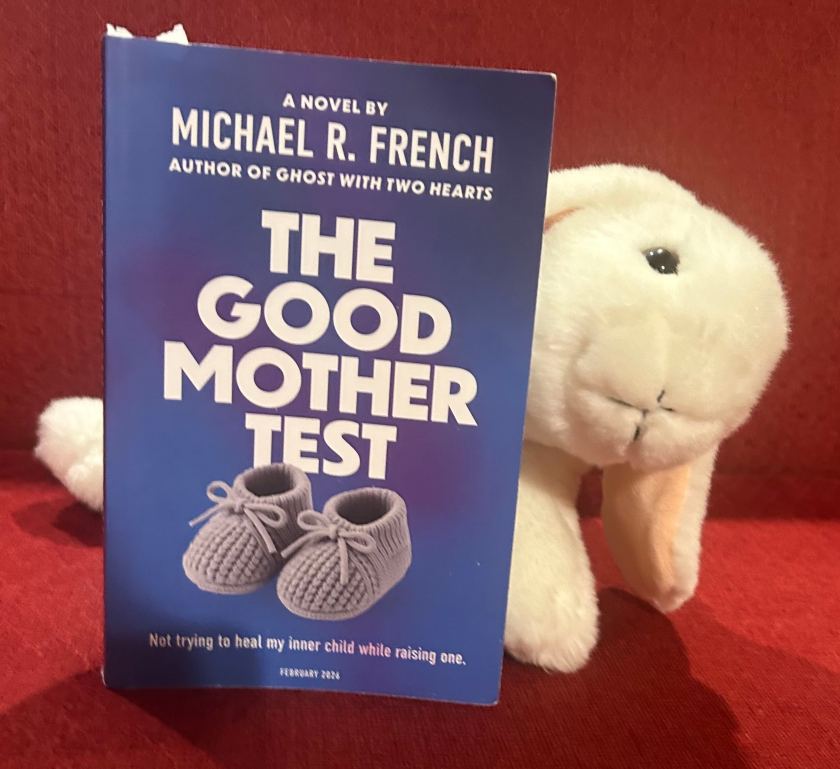
Caramel enjoyed reading Star Wars: Lost Stars by Claudia Gray and is now looking through a whole pile of other Star Wars books to pick the one to read next.