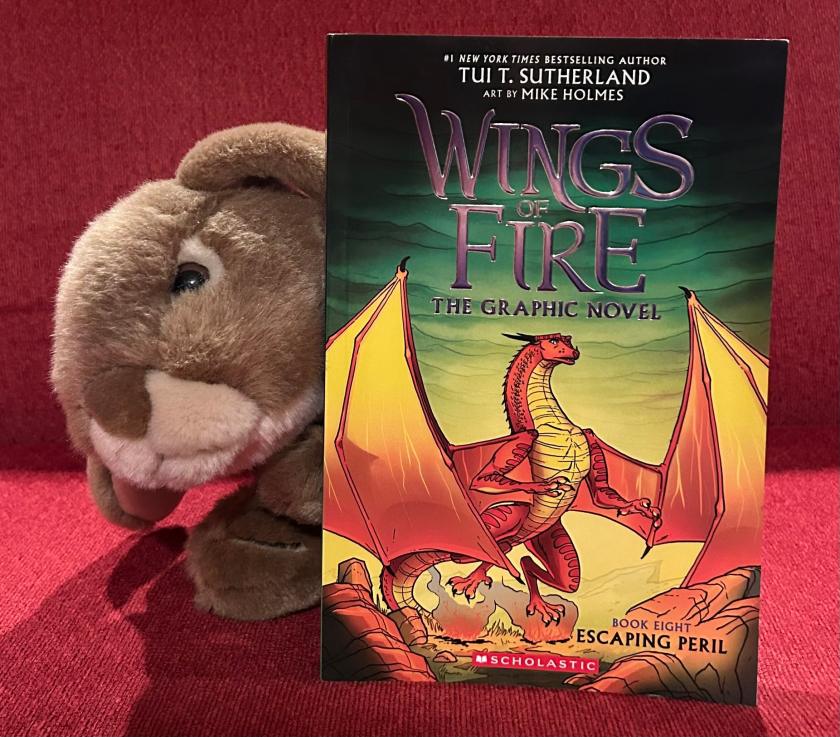
Marshmallow reviews The Awakening by Kate Chopin

Today Marshmallow reviews a classic novel originally published in 1899: Kate Chopin’s The Awakening.

Marshmallow reviews The Awakening by Kate Chopin.

Marshmallow’s Quick Take: If you like reading books that make you think and take you back in time, then this is the book for you!

Marshmallow’s Summary (with Spoilers): Edna Pontellier lives in New Orleans, Louisiana during the late nineteenth century. As she is originally from Kentucky, Edna has felt a little out of place ever since she married Mr. Pontellier (who was born into the Creole culture), moving to Louisiana to live with him. Edna spends her days as a “mother-woman” now, attending to the needs of her husband and two sons and running the domestic details of the Pontellier household; however, this is not enough to satisfy Edna.

The Pontelliers are fortunately very wealthy and the book introduces us to them during their trip to Grand Isle (near the Gulf of Mexico) during the summer. At Grand Isle, Edna realizes that she is truly unhappy when Mr. Pontellier berates her for neglecting their children (despite the fact that he was out the whole night at the pub). She breaks down in tears, but finds comfort in spending time with her friend Robert—who is the son of the woman who runs the resort the Pontelliers stay at. While Mr. Pontellier is regarded as the best husband Edna and her friends know, he is not particularly attentive. Still, he sends back sumptuous gifts while he is away, and he has never abused or assaulted Edna.

To me, it seems that Mr. Pontellier is the best husband one could hope for from the men of that time period; he is a very by-the-book gentleman, treating his wife in the most caring manner he knows how (though it is mostly materialistic and he does not offer much in the way of emotional support or attention). I do not blame Edna for feeling discontent though.

During their time at Grand Isle, Robert and Edna become closer and closer—to the point that Adéle Ratignolle (a very close friend of Edna’s) warns him to stay away from Edna lest they start to believe they could become more than friends. But it is already too late because Edna’s heart has already made its way to Robert. Adéle, who is the paragon of what an ideal woman would be, provides a stark contrast to Edna. Edna is not a bad wife, but she is far from matching Adéle’s doting adoration and care for Mr. Ratignolle and their children. Along with her budding love for Robert, Edna starts to feel as though maybe she is not cut out to fit this mother-woman role.

When the Pontelliers return to New Orleans, Edna starts to take up more room, rejecting the standards she tried so hard to fit herself in. When Mr. Pontellier goes on a business trip and the children go to stay with his mother, Edna decides to move to a small cottage they own, called the pigeon house. There, her agency and independence are kindled and eventually ignite an affair with a man named Alcée Arobin (there are no inappropriate scenes; Chopin only describes an occasional kiss).

One might ask why Alcée comes into the picture when Edna loves Robert. The unfortunate answer would be that Robert ran off to Mexico in pursuit of some business opportunity, though this was a thinly veiled attempt to distance himself from Edna and his feelings of attraction to her. Alcée (a lady’s man with a distinct pattern of chasing married women) provides the physical satisfaction that Edna was missing. But Edna does not feel any sense of love or emotional connection to him. Robert is the one she loved. When he returns, Edna’s life will be forever changed. 

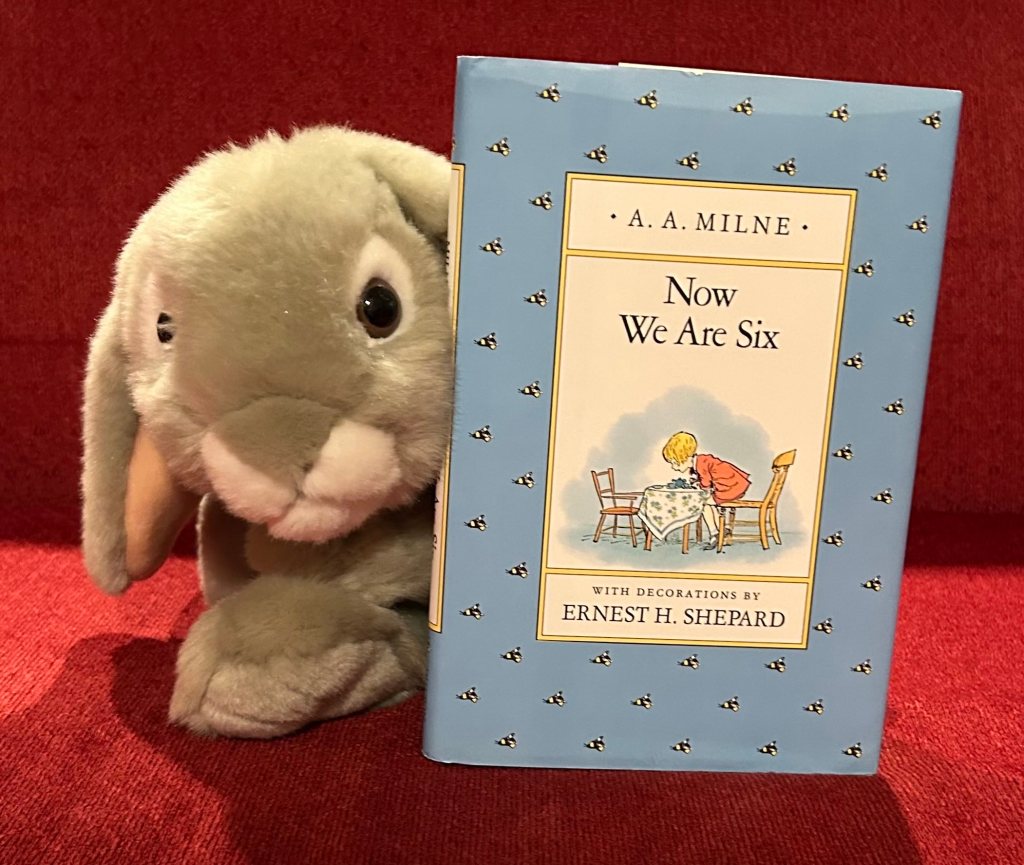
Marshmallow is reading The Awakening by Kate Chopin.

Marshmallow’s Review: This was a fascinating book. I really enjoyed reading about what life was like back then, and I felt as though Chopin had actually transported me there to witness it. I will say that I found Edna’s treatment of some of the servants quite infuriating (she is not abusive, but definitely demeaning). Regardless, this book was worth the time I put into trying to understand it. Initially, much like my endeavors with A Tale of Two Cities, reading the first couple of chapters was grueling. But after I got accustomed to the writing style of the time period, it was relatively easy to read.

I read The Awakening in my English class, so I did do a deeper analysis of this book than I might have done otherwise. I noticed that the titular “Awakening” could represent one of many things (her rebellion, her sexual relationships, her artistic pursuits, etc.) or perhaps all of them together. There is also the consistent image of the sea. This motif serves to represent independence, death, freedom, life, rebirth, rebellion, and more. Really, anything can represent anything—it is all up to the reader what they get out of the book. I found this book to be a source of gratitude for me. I am really glad that Edna’s world of repression and dissatisfaction has been partially torn down over the years since this book’s publication. The idea of a mother-woman that so defined and constrained her life has loosened its grip on women today. 

The ending came as a bit of a shock to me. I was hoping for the resolution of the story to go one way and it went off a cliff in the other direction (metaphorically, I mean, due to the surprising nature of the end). I will not say much more. But I think the ending Chopin chose sends the most meaningful message and it is quite open to interpretation.

I wonder if it is possible that the whole story is a dream and that Edna imagines her whole affair with Alcée and the drama with Robert. She does have one part of the book where she starts imagining something and perhaps she never stopped? This is a bit of a stretch, but I find such mental investigations intriguing. 

I would also mention that this is a very psychologically interesting book as well. Chopin does an excellent job of showing Edna’s psyche and why she feels the way she does. The reader’s emotions follow the same arc as those of Edna’s. I was saddened to come to the end of the book. 

This particular edition of the novel contains many short stories by the author; however, I have not read them yet; so far I have only read The Awakening. That is the only one I can speak about in depth. But I can definitely say that I would highly recommend reading it to all!

Marshmallow’s Rating: 98%.

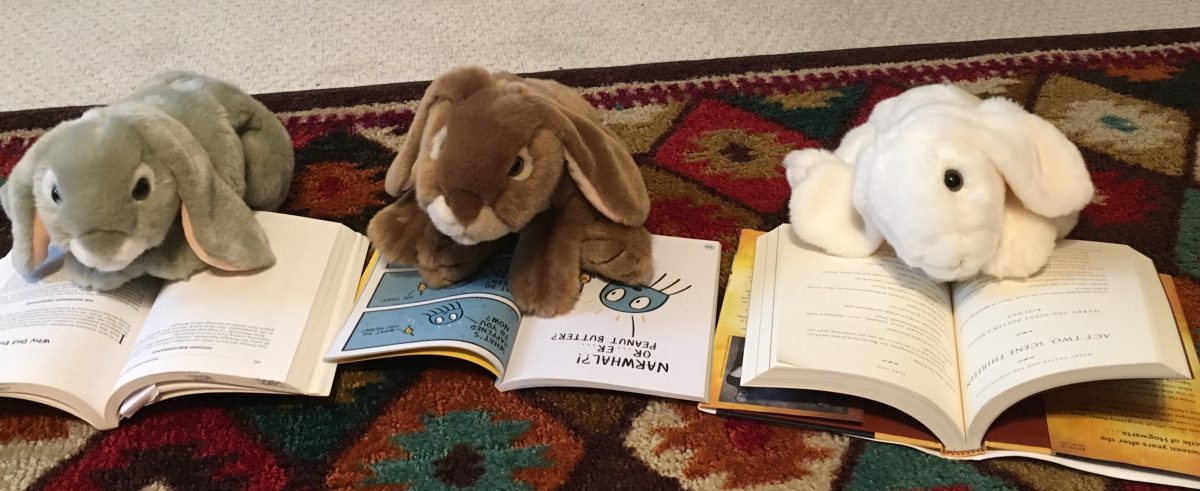
Marshmallow rates The Awakening by Kate Chopin 98%.

Marshmallow reviews Spooky Classics for Children: A Companion Reader, as told by Jim Weiss, and with Dramatizations by Chris Bauer

This week both of the younger book bunnies wanted to review spooky books to honor Halloween 2025. So on Wednesday, Caramel reviewed a cute picture book about a zombie and a brain. And today, Marshmallow reviews Spooky Classics for Children: A Companion Reader, as told by Jim Weiss, and with Dramatizations by Chris Bauer, which offers modern adaptations of three classic short stories.

Marshmallow reviews Spooky Classics for Children: A Companion Reader, as told by Jim Weiss, and with Dramatizations by Chris Bauer
Marshmallow reviews Spooky Classics for Children: A Companion Reader, as told by Jim Weiss, and with Dramatizations by Chris Bauer.

Marshmallow’s Quick Take: If you are looking for a fun book to read with your family during the fall season, then this is the book for you!

Marshmallow’s Summary (with Spoilers): This book is divided into several sections. The Preface introduces the stories and explains that the book can be used in three ways: listen, read, and speak. The first section has the stories laid out in a normal picture book-like fashion; this is Part I: Three Spooky Stories. The second section (Part II: Three Spooky Plays) provides scripts for each story and a guide for how to perform each one. 

The first story is called “The Canterville Ghost”, and it was originally written by Oscar Wilde and published in 1887. The story is set in Britain. The American Otis family (Mr. Otis is the American ambassador to Great Britain) moves into the Canterville Chase, a famous old ancestral castle. The catch is that the estate is haunted by the Canterville Ghost. Lord Canterville warns the Otis family of the haunting, but they do not believe in “mumbo-jumbo.” However, when the ghost’s existence becomes undeniable, they react in a relatively kind, well-mannered way. Eventually, the story ends happily—which I was initially not expecting! (Readers interested in the original Wilde version can check out this Project Gutenberg link.)

The second story is called “Dr. Heidegger’s Experiment” and was originally written by Nathaniel Hawthorne and published anonymously in 1837. The story is about five friends who are in their older years. Dr. Heidegger invites his four friends over to his house and offers them water from the Fountain of Youth. All four of his friends lived lives of sin and are full of regret. However, Dr. Heidegger himself does not drink the water; he merely wishes to see what happens when they do. They drink the water and age backwards, regaining their beauty and energy. However, they did not follow Dr. Heidegger’s advice to record for themselves some lessons learned before they drank the elixir, and so they do not remember the wisdom that they were supposed to have learned throughout their lives (though it is not that they forgot it, it is mostly that they did not gain it in the first place). The story ends with a clear message, and this story made me think a lot more than I was expecting to at the end. (Interested readers can check out this Project Gutenberg page for Twice-Told Tales, a collection that contains, among many others, the original story by Hawthorne.)

The third story is called “The Sending of Dana Da” and was originally written by Rudyard Kipling and published in 1888. The story is set in India a long time ago. A British man named Richard Evans meets a local wizard named Dana Da whom he treats generously. Dana Da offers the man help in return, asking him if he needs help in dealing with anyone he loves or hates. Evans eventually admits that he loathes a man named Everett Lone. Dana Da’s sending is a magical energy that he can shape into whatever he wishes; for this case, he shapes it into cats that appear in Lone’s life constantly (Lone hates cats). This magical story ends in a quaint way and wraps up the first section of the book nicely. (The original version by Kipling is somewhat different and may or may not be appropriate for young bunnies, so we will not link to it from here.)

Marshmallow is reading Spooky Classics for Children: A Companion Reader, as told by Jim Weiss, and with Dramatizations by Chris Bauer

Marshmallow’s Review: Overall, I would highly recommend this book! I really enjoyed listening to the audio recording that came with it, and it was a really great experience. Jim Weiss is a great voice actor! (We loved his readings of the Harry Potter books many years ago.) But even if you do not have access to the recordings, the text itself is really engaging on its own. This book is accessible and appropriate for all ages, so I think it would be really fun to read or listen to as a family. I liked the drawings, but I especially liked the writing style; I found it energetic, engaging, yet simple at the same time.

The stories were also surprisingly deep. The first story made me think a lot about generosity while the second made me think a LOT about wisdom, living life in a meaningful way, and appreciation. I also wondered a lot about youth and age afterwards. The third one teaches a lesson about logic and magic, but also friendship and kindness. I would explain more but I think that might give the ending away.

The second section with the screenplay versions of the stories adapted by Chris Bauer would also be a great help for theatre programs for little children. I can see it helping set up a great show for children to watch and / or perform in. Of course I could also see a family doing it among themselves, too, just for fun. There are a lot of useful suggestions for either scenario.

As a whole, this book was really enjoyable, and I would completely recommend it to everyone! I know this is a bit late, but it would also make for a perfect Halloween book!

Marshmallow’s Rating: 100%.
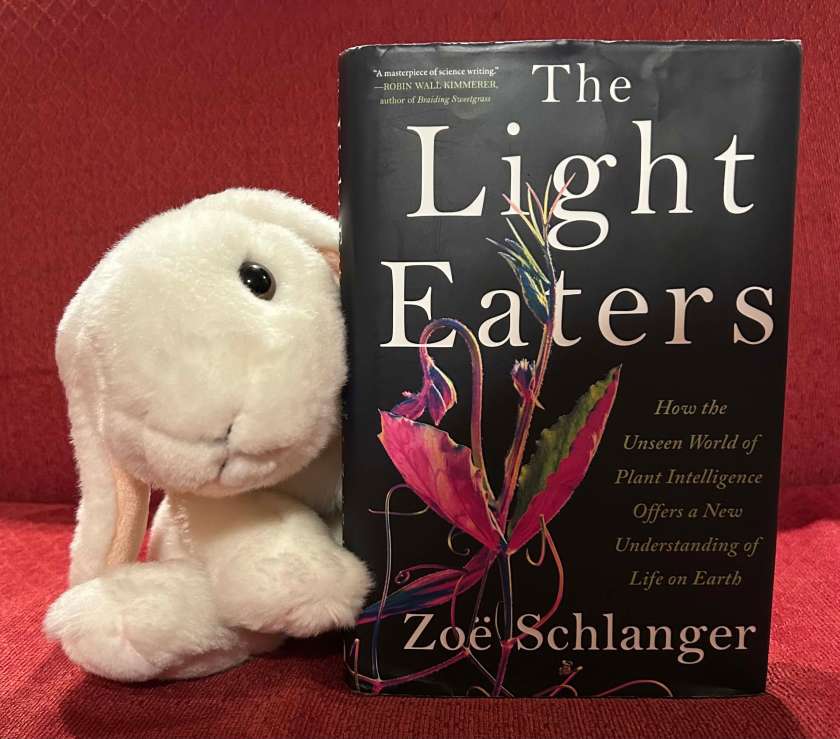
Marshmallow rates Spooky Classics for Children: A Companion Reader, as told by Jim Weiss, and with Dramatizations by Chris Bauer 100%.

Marshmallow reviews Teen Innovators: Nine Young People Engineering a Better World with Creative Inventions by Fred Estes

This week Marshmallow is talking about Teen Innovators: Nine Young People Engineering a Better World with Creative Inventions, written by Fred Estes, illustrated by Kavel Rafferty, and published first in 2022.

Marshmallow reviews Teen Innovators: Nine Young People Engineering a Better World with Creative Inventions, written by Fred Estes and illustrated by Kavel Rafferty.

Marshmallow’s Quick Take: If you like non-fiction books that are both informative and inspiring, then this is the book for you!

Marshmallow’s Summary (with Spoilers): This book is composed of several parts. It starts off with a warm, welcoming introduction that matches the tone of the rest of the book. Then there are six chapters in total, which are each around twenty to thirty pages long—they are relatively quick to read due to the large font and highly comprehensible writing. In each chapter, the author presents a young protagonist and the problem that they faced and / or wished to resolve. The author describes their process and the innovations and inventions they made, highlighting the experiences of young people in STEM.

Essentially, each chapter is a story about a young person who invented something successful that helped the world. The six stories are “Jack Adraka and His Improved Cancer Test,” “Gitanjali Rao and Tethys, Her Lead Detection Sensor,” “William Kamkwamba and the Windmill,” “Austin Veseliza and the Talking Glove,” “Deepika Kurup and Purifying Water through Sunlight and Science,” and finally “Cristian Arcega, Lorenzo Santillan, Oscar Vasquez, Luis ARanda, and Stinky, Their Champion Robot.”

I cannot choose one that I liked over the other because I loved reading about all of them! However, William Kamkwamba’s windmill struck me as especially remarkable given how limited his resources were and how he taught himself most of what he knew! (Incidentally, William Kamkwamba is 39 years old today, and his life continues to be impressive. You should definitely check out his two TED talks at https://www.ted.com/speakers/william_kamkwamba.)

These stories show that there are people who are driven to do good at such a young age! I also liked how the book ends with an inspiring call to action. The author describes problems in the world, but says that one can always take action to fix them. I hope to be like them one day!

Marshmallow is reading Teen Innovators: Nine Young People Engineering a Better World with Creative Inventions, written by Fred Estes and illustrated by Kavel Rafferty.

Marshmallow’s Review: I really liked Teen Innovators and I would highly recommend it to any and all readers because it is a fun, fascinating, and fulfilling book!

I read Teen Innovators during a time when I was starting to think about STEM as a career path. I am still not fully decided on a specific path, but this book really shows how STEM can be an extremely powerful force for good. I liked how this book highlighted inventors and innovators who are around the same age as the people who will read the book (most likely!) This is really inspiring.

More specifically I would highly recommend Teen Innovators to all who are worried about the future and feel disappointed in humanity. Even though humans do a lot of bad stuff and there is indeed a lot to worry about, books like this and people like the ones in these true stories show that there is a lot of good in the world, too! 

Marshmallow’s Rating: 100%.
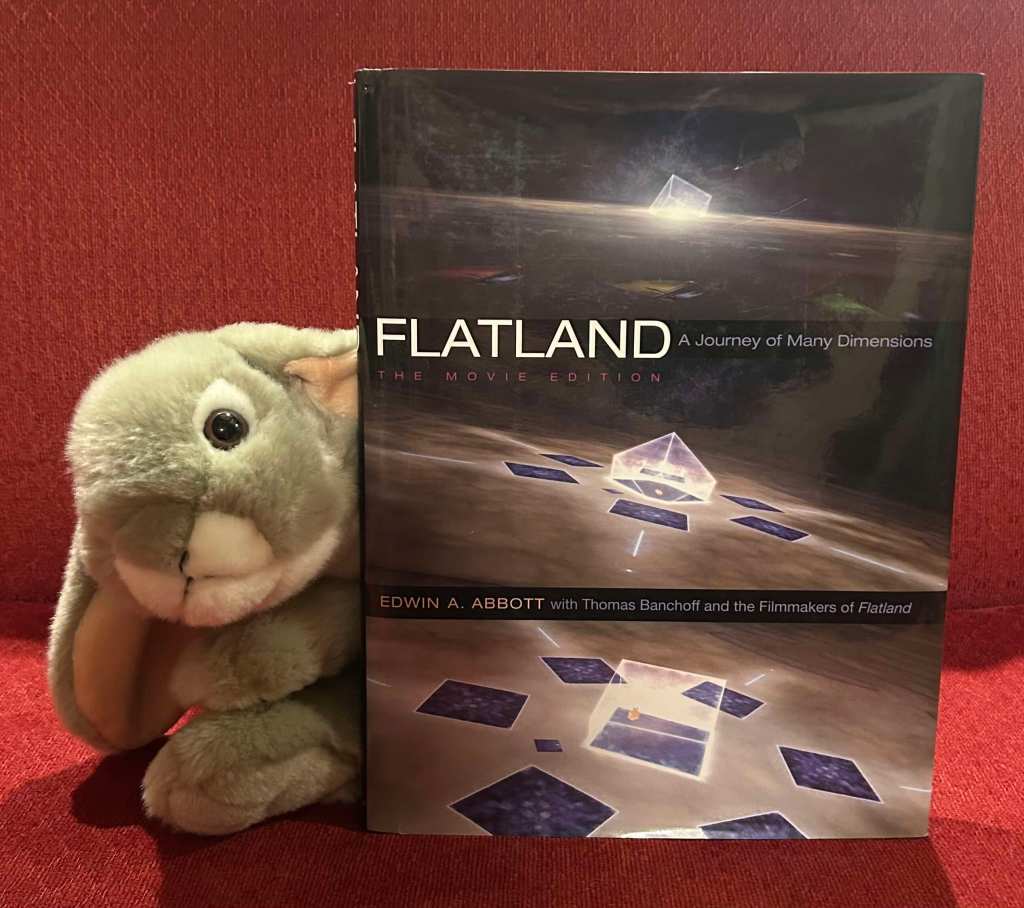
Marshmallow rates Teen Innovators: Nine Young People Engineering a Better World with Creative Inventions, written by Fred Estes and illustrated by Kavel Rafferty, 100%.

Marshmallow reviews An Absolutely Remarkable Thing by Hank Green

The book bunnies household have learned a boatload of chemistry from Hank Green’s Crash Course Chemistry series on YouTube. So they all were excited to discover that Green had also published a couple of novels way back when. This summer, first Sprinkles, then Caramel, and finally Marshmallow got their paws on the first of these books, and once started, could not put it down until they were done. Today Marshmallow shares with our readers her thoughts on this book, An Absolutely Remarkable Thing, first published in 2018.

[Starting this week, we are moving our weekend posts to Sundays. We hope you will continue to follow us with our new schedule.]

Marshmallow reviews An Absolutely Remarkable Thing by Hank Green.

Marshmallow’s Quick Take: If you like science fiction books that are fun, fascinating, and feel almost real, then this is the book for you!

Marshmallow’s Summary (with Spoilers): April May is an artist. Unfortunately, after going to a private art school, she is now in a lot of debt. Working at a start-up under a very bad contract, April is struggling to find time to make her own art. Her appreciation for true pieces of art is what draws her attention to Carl. While this may sound like the start of a romantic relationship, it is anything but. Carl is a giant, ten-foot-tall, metal sculpture that appears one day on a sidewalk in New York City. Late at night, April walks by it and—thinking that it must be the work of a fellow artist—coerces her friend Andy to record her in a video highlighting how wonderful the piece is, despite the lack of interest from the other passersby. They post this video on YouTube and go to sleep.

The next morning, April and Andy wake up amidst a maelstrom of news. It turns out that sculptures just like Carl (which is the name April used during the video to describe the sculpture in New York) suddenly showed up all over the world; there are sixty four of them in total, all standing perfectly still in plain view on sidewalks in major cities. The news and the Internet are reeling in confusion. Security checks and video surveillance cameras in each area where a Carl appeared went dark for five minutes before the sculptures showed up. The rather impossible, illogical arrival of the Carls leaves the world in need of an explanation.

Since April was the one who “discovered” New York Carl, she becomes somewhat of a celebrity. Soon, she and Andy start raking in thousands from their video and interviews. The attention, especially on social media, is overwhelming, but April’s sort-of girlfriend (Maya) helps her cope, advising her to slow down the speed at which April is exposing herself to the world. But the overwhelming attention is also addictive; to keep it coming, April and Andy hatch a scheme to keep themselves poised as the go-to experts on the Carls. April, Maya, and Andy all met at their art school and are all experts in designing brands. April decides that she will brand herself as the curious, yet calm human person in contrast to the other-worldliness of the Carls. And I mean that literally. Miranda, a material scientist at UC Berkeley, reaches out to April and they realize that the characteristics of the Carls cannot physically exist because there is no existent or create-able material that matches it. The Carls must have come from out of this world!

As April and Miranda work together, they start realizing that there are sequences, or puzzles, that seem to be left by the Carls for humanity to solve together. Many of them are in the Dream, a shared experience that almost every human on the planet starts to have during sleep. The Carls have yet to say a word, yet the world is holding its breath. Driven by ambition, curiosity, and a little bit of arrogance, April May plans to be the one who uncovers why the Carls are here and what they really are.  

Marshmallow is reading An Absolutely Remarkable Thing by Hank Green.

Marshmallow’s Review: This was an absolutely remarkable book (see what I did there?) I would highly recommend An Absolutely Remarkable Thing to all readers to read at some point. However, it is not quite appropriate for young bunnies because it does use a lot of bad words and it does make a lot of references to sexual activity (though, luckily, none is shown!)

An Absolutely Remarkable Thing is both intensely entertaining and fast paced, but it also is also very thought-provoking. At the beginning of the book, I did not enjoy Green’s style too much, but I became more accustomed to it later on. His writing is very smooth and the story never has a single lull. The plot is fascinating and literally keeps you hooked until the end. Green builds a world around you and it is very hard to disassociate from it while you are reading. Green makes the book feel so real that there were times I stopped reading and forgot that there are not, indeed, Carls in the real world.

I think Green exceeded all expectations for a first-time writer. He excels in all standard aspects of storytelling, but I think the thing that stood out to me the most was the philosophical part of this book. The main character is definitely not perfect. She is very dis-likable, which I think is a testament to Green’s prowess because one ends up on her side at the end anyways. Every person in this book is so real and flawed and truly human that this could actually take place right now. Part of what I think made this book so realistic was the consistent themes of social media, celebrity, and people’s need for attention. I kept thinking of how much of Green’s own personal experience in the virtual world was reflected in the book.

I was mildly annoyed that An Absolutely Remarkable Thing ends in a cliffhanger because I wanted to know how things really end. Though many of the mysteries were resolved in this volume, there are a lot more that were not. Green wrote this to be the first in a two-part series so I am probably going to have to read the next one too! 

April May, the main narrator, is a very honest yet blunt person. But I really liked how, through April, Green managed to make a convincing argument for humanity. I loved how he showcased both the bad and the good of characters and of humanity as a whole. There are a lot of too-real moments that mimic what politics and some industries look like now. I think overall An Absolutely Remarkable Thing is a work of art because it takes every broken, ugly part of humanity and glues it together with the beautiful parts to create something that is glaringly imperfect yet honest and meaningful. 

Marshmallow’s Rating: 100%.
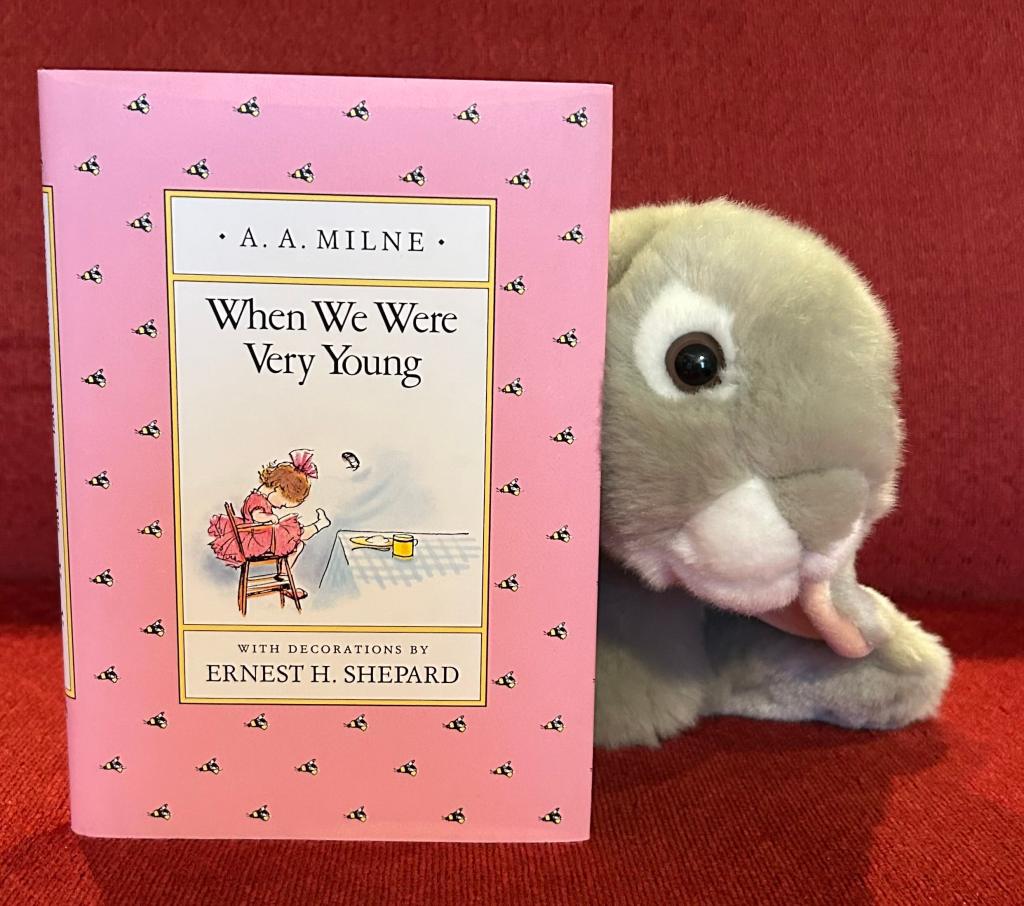
Marshmallow rates An Absolutely Remarkable Thing by Hank Green 100%.