Caramel reviews The Science of Acne and Warts: The Itchy Truth About Skin by Alex Woolf

Caramel has recently been reviewing a series of books about the human body for the book bunnies blog. So far he has reviewed  The Science of Snot and Phlegm: The Slimy Truth about Breathing by Fiona MacDonaldThe Science of Scabs and Pus: The Sticky Truth About Blood by Ian Graham, and The Science of Poop and Farts: The Smelly Truth About Digestion by Alex Woolf. Today he is talking about the fourth and last book in the series: The Science of Acne and Warts: The Itchy Truth About Skin, written by Alex Woolf. As usual, Sprinkles is asking questions and taking notes.

Caramel reviews The Science of Acne and Warts: The Itchy Truth About Skin by Alex Woolf.

Sprinkles: So Caramel, tell us about this book.

Caramel: This is a book about human skin. You can learn everything about skin by reading it.

S: So tell me something you learned then.

C: I learned that the layers of skin are the epidermis, the dermis, and the very bottom one is subcutis. I also learned how the body creates blood clots.

S: Wait, blood clots were in The Science of Scabs and Pus: The Sticky Truth About Blood by Ian Graham, too, right?

C: Yes.

S: So why do they show up here too?

C: Because when your skin is wounded, and it is trying to repair itself, you make a blood clot.

S: Hmm, so it is about blood but also about the skin, I see. So what else is there in this book?

C: There are pages about fungal infections, warts, acne, skin rashes, …

S: Hmm, those all sound quite irritating at the very least. Nobody likes them.

C: True, but they are also very interesting.

S: I guess that means the author is doing a good job keeping things engaging.

C: Yeah.

Caramel is reading The Science of Acne and Warts: The Itchy Truth About Skin by Alex Woolf.

S: What is the most interesting thing you learned from the book?

C: Let me see. There are a lot of interesting things in here. Here is one: Did you know that some of the dust at home is dead skin cells? People lose up to 30,000-40,000 dead skin cells every day. That adds up to 9 pounds of skin every year.

S: Wow! That is amazing!

C: Here is another interesting fact: There is a skin condition, a hive called dermographism, where you write on your own skin with your finger. It stays there as a rash for fifteen minutes.

S: That is so interesting. I had never heard of it before. Here is the Wikipedia article about it if our readers want to learn more.

C: Here is another strange fact. There is a mouse in Africa, the African spiny mouse, and it loses its skin when a predator catches it. Its skin just peels off and the mouse can run away. And it can regenerate new skin and is safe from the predator.

S: That is a very interesting defense mechanism Caramel. Okay, let us wrap this up so you can go on ahead and reread the book if you want to. But before we do that, tell me your three words to describe this book.

C: Interesting, helpful, and colorful.

S: Those work! Okay and as your last words to wrap things up?

C: Stay tuned for more book bunny reviews!
Caramel enjoyed reading The Science of Acne and Warts: The Itchy Truth About Skin by Alex Woolf, and learned a lot.

Caramel reviews The Science of Poop and Farts: The Smelly Truth About Digestion by Alex Woolf

Caramel loves reading books about facts. A short while ago he got his paws on a series of four books about the human body, and he has already reviewed The Science of Snot and Phlegm: The Slimy Truth about Breathing by Fiona MacDonald and The Science of Scabs and Pus: The Sticky Truth About Blood by Ian Graham for the book bunnies blog. Today he reviews the third book he read from this series: The Science of Poop and Fart: The Smelly Truth About Digestion, written by Alex Woolf. As usual, Sprinkles is asking questions and taking notes.

Caramel reviews The Science of Poop and Farts: The Smelly Truth About Digestion by Alex Woolf.

Sprinkles: So Caramel, tell me about this book with the funny title. Is it really about pooping and farting?

Caramel: It is!

S: As soon as I saw the title, I knew you would be curious about it. You love jokes about poop and fart. So it worked, right? It made you want to read the book?

C: Yes. It did. And I learned a lot of new things about digestion. Did you know that some ancient Romans rinsed their mouths with pee? To get whiter teeth?

S: Ugh, that sounds pretty disgusting. Does it work?

C: I don’t know. But it is pretty disgusting. I also learned that hippos spin their tail to launch their poop under water.

Caramel is reading The Science of Poop and Farts: The Smelly Truth About Digestion by Alex Woolf.

S: Hmm, so the book is full of weird facts about pee, poop, and, obvious from the title, farts. Does it also tell you about the digestive system more generally?

C: Not quite. It is full of stuff about poop though. Here are some chapter titles: “How do we produce poop?”, “What is pee?”, “What are farts?”, “What are burps?”, “What is saliva?”, “What are diarrhea and vomiting?”, “What is constipation?”, “Digestive problems”, “A healthy diet”, “Can poop be useful?”, “What happens to poop?”

S: Okay, these all sound quite fascinating. I think you learned a lot about the general stuff on the digestive system from Survive! Inside the Human Body: The Digestive System by Hyun-Dong Han already, and this book gives you a lot more weird but true facts about digestion in bite-size., digestible chunks.

C: Yes! Did you know that the tropical pitcher plant has tube-shaped leaves that are used as toilets by some animals? The poop provides the plant with lots of nutrition.

S: I seem to remember seeing that in a documentary. I guess the poop is full of food waste, so there are nutrients in it that the plant can use. What an interesting way to recycle!

C: Oh, and if you eat beans, your fart smells.

S: Yes, I knew that. Also red cabbage.

C: I also learned that some dogs, if they cannot burp, they can die. So to treat the condition, they insert a flexible rubber tube down their throat.

S: Oh that sounds kind of painful, but it is better than dying.

C: Yes.

S: Okay, I can see you want to read the book again and go over these very interesting facts all over again. So let us try and wrap up.

C: Yes, but did you know that if a llama feels threatened, it will spit, and it can spit about three meters away?

S: I knew llamas could spit, but that is a long way to spit! Do you remember the llama we met way back in Big Bear Lake?

C: Yes, he did not spit on us though, thankfully. And he really seemed to know when we were taking his picture.

S: Yes, I remember. He was almost posing for us. Okay, then. Give me your three words for this book.

C: Interesting, colorful, and informative.

S: Those work! I agree. I too learned a lot reading it. So what do you want to say to our readers?

C: Stay tuned for more book bunny reviews!

Caramel enjoyed reading The Science of Poop and Farts: The Smelly Truth About Digestion by Alex Woolf, and recommends it to other little bunnies who want to learn more about poop and fart and other funny (and yet very useful) things our digestive systems do.

Caramel reviews Ereth’s Birthday by Avi

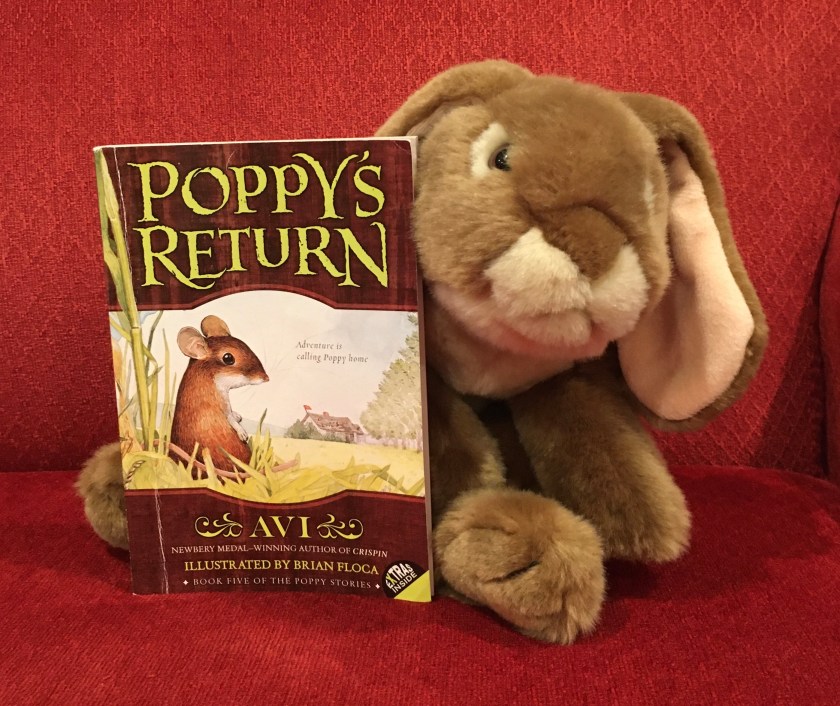
Caramel has enjoyed reading the adventures of animals living in and around Dimwood Forest. And he has already reviewed Ragweed, Poppy, and Poppy and Rye for the book bunnies blog. Today he reviews Ereth’s Birthday, the next book in this series by Avi. As usual, Sprinkles is taking notes and asking questions.

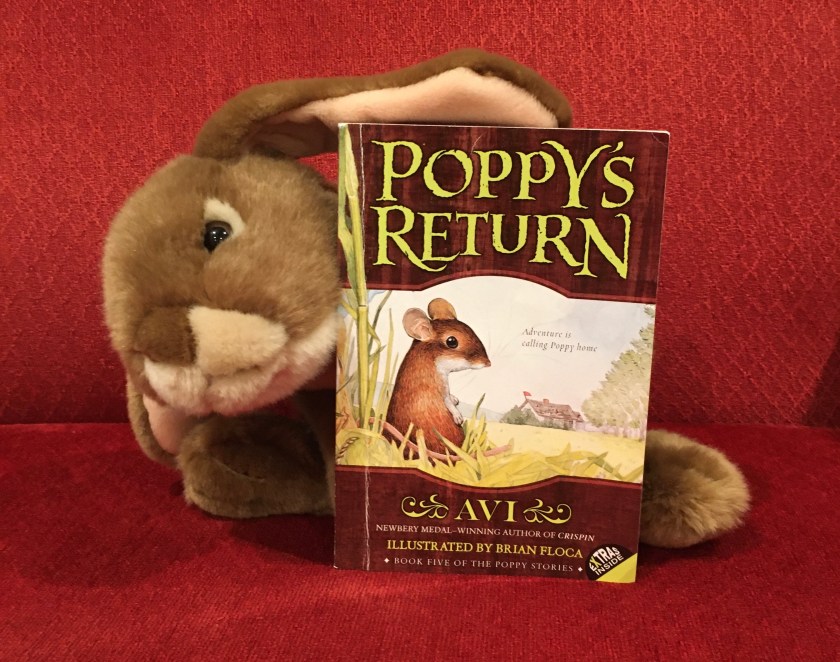
Caramel reviews Ereth's Birthday, written by Avi and illustrated by Brian Floca.
Caramel reviews Ereth’s Birthday,written by Avi and illustrated by Brian Floca.

Sprinkles: So Caramel, tell us about this book.

Caramel: This book is about Ereth, who is a porcupine. Poppy met him in the book Poppy. But we met him before that, in Ragweed and Poppy.

S: I remember Ereth. He is a bit grumpy, right?

C: Yes, maybe more than a little.

S: So tell me more. What happens in the book?

C: The book starts on Ereth’s birthday. And he thinks that his best friend, that is Poppy the mouse, and her husband, that is Rye, forgot about him.

S: That must make him even grumpier then.

C: Yes. He kind of likes Poppy, too, so…

S: Yes, I remember that too. Ereth is rather fond of Poppy, and is very sensitive, too, but he won’t admit it.

C: Yes. Pretty much.

S: So I read all the books from this series before this one. Should I read this too?

C: Yes! You should!

S: Why?

C: Because it is a very good book. I like the plot. I also like Ereth a lot. He is funny.

S: Are there new characters in this one?

C: Yes, there are some different characters. Poppy and Rye have children, and they show up. And there is also Marty the Fisher.

S: Do you know what a fisher is?

C: Not really, but it must be an animal that can hurt porcupines.

S: Oo, so Ereth has an enemy?

C: Sort of, but he doesn’t really know it.

S: Hmm, that sounds interesting. By the way apparently a fisher is a carnivorous animal that lives in forests.

C: Are they going extinct?

S: Wikipedia seems to say no.

C: Marty the Fisher said that people hunted them down.

S: Yes, Wikipedia says people liked their fur. But apparently though they lost a lot of their habitat in recent times, they are not in danger of going extinct.

C: Phew! That’s good.

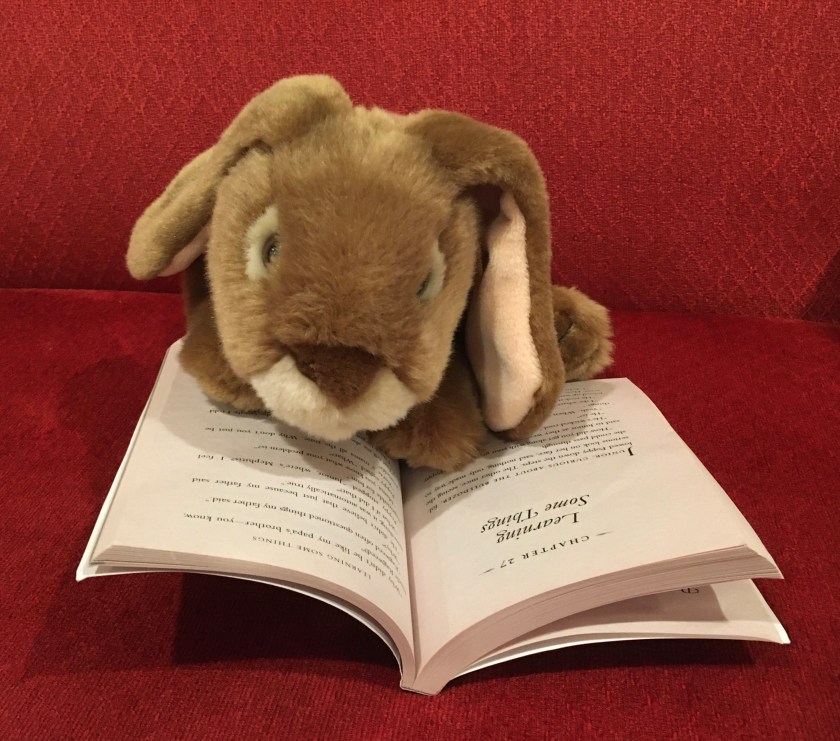
Caramel is reading Ereth's Birthday by Avi.
Caramel is reading Ereth’s Birthday by Avi.

S: Did you know that this was Avi’s favorite among the Poppy books? He wrote that this has the most autobiographical content and that Ereth becoming a reluctant step-father is similar to himself being a step-father.

C: I didn’t know that!

S: I didn’t, either. But tell me more about this step-parenting.

C: Ereth has to take care of three kits.

S: What’s a kit?

C: A kit is a young fox.

S: So how does Ereth take these three foxes under his care?

C: He meets their mother, she is caught in a trap, and she asks him to take care of her three kits. And Ereth promises to do it.

S: And he keeps his promise?

C: Yes.

S: This is sounding more and more interesting as you reveal more. I might have to read it after all…

C: In fact you should! And you shall!

S: Okay, okay, don’t push now. Let us wrap up the review then so you can give the book to me. What are your three words for the book?

C: Awesome, interesting, good characters.

S: Hmm, that might work. I have a feeling it is also a sweet story. Would you say so?

C: Yes, I guess so.

S: Alright, let us close up then so I can get reading. What do you say to our readers?

C: Stay tuned for more book bunny reviews!
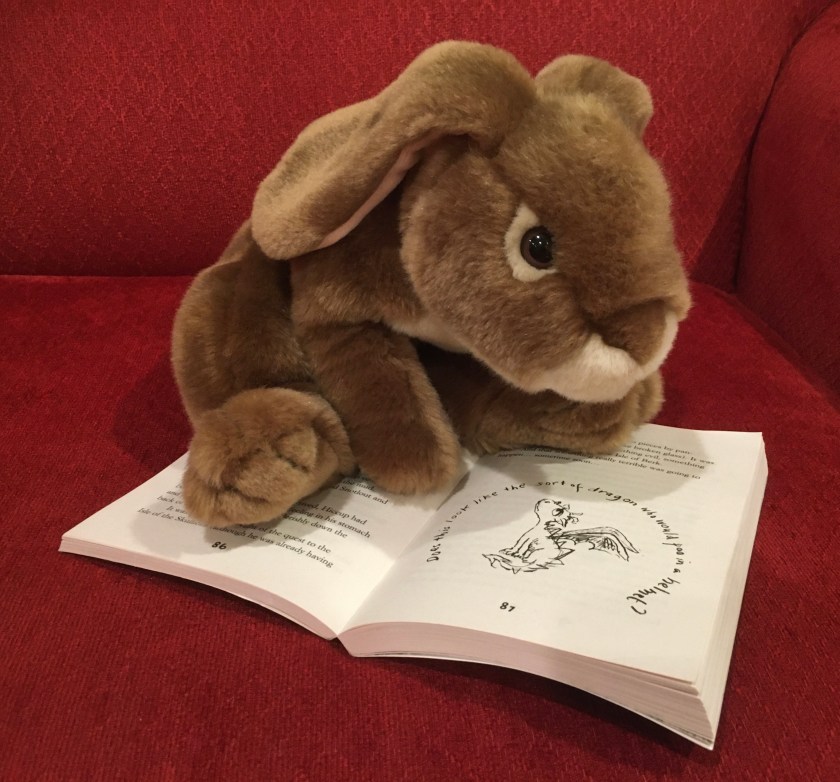
Caramel enjoyed reading Ereth's Birthday by Avi, and he is looking forward to reading the next books in the series.
Caramel enjoyed reading Ereth’s Birthday by Avi, and he is looking forward to reading the next books in the series.

Caramel reviews The Science of Scabs and Pus: The Sticky Truth About Blood by Ian Graham

A few weeks ago, Caramel got his paws on a set of four books about the human body, each focusing on one major system. Last week he reviewed the first one he read in the series: The Science of Snot and Phlegm: The Slimy Truth about Breathing written by Fiona MacDonald. Today he reviews the next one: The Science of Scabs and Pus: The Sticky Truth About Blood, written by Ian Graham. As usual, Sprinkles is taking notes and asking questions.

Caramel reviews The Science of Scabs and Pus: The Sticky Truth About Blood by Ian Graham.

Sprinkles: Please tell us about this book Caramel. What is it about?

Caramel: It is about scabs and pus, as you can tell from the title. And those are pretty interesting I think. It also talks about the heart and the blood system. They are not the same thing as scabs and pus but definitely useful.

S: Why do you think they are in the same book? The subtitle of the book is “The Sticky Truth About Blood”. And so it makes sense that it would be about blood and the heart and the circulatory system in general. How do scabs and pus come in?

C: Scabs happen when you have a cut or a wound and the scab is made by your blood cells to stop the bleeding. And underneath the scab, the skin tries to heal itself.

S: So scabs are made by your blood! That is cool, isn’t it?

C: I guess so. It is interesting. But pus on the other hand is pretty disgusting.

S: Okay, tell me about that. What is pus?

C: Pus is made up of dead blood cells, white blood cells and bacteria.

S: Are all of them dead?

C: Yep. Or almost dead.

S: So what is the point of it?

C: To get rid of the bacteria so you don’t get infected. You have pus come out of the wound.

S: So the body is trying to clean itself?

C: Yes. But it also means that your wound is not clean. It is a sign of infection.

S: That sounds bad.

C: Yes. Very bad.

Caramel is reading about the heart in The Science of Scabs and Pus: The Sticky Truth About Blood by Ian Graham.

S: A while ago you reviewed another book about the circulatory system. Do you remember?

C: Yes! It was from the Survive! series: Survive! Inside the Human Body: The Circulatory System.

S: So you already know quite a lot about the circulatory system. Did you learn new things from this book?

C: Yes! There is a lot of new information here. I learned some new things about the heart which I did not know before. There is also a whole two-page section on hemophilia and another two pages on leukemia. I did not know about those.

S: Hmm, so what are they?

C: They are both types of blood diseases. Hemophilia is when the person cannot make scabs. Their blood does not clot. And did you know that boys and men are more likely to get hemophilia than girls and women?

S: Yes, I knew that I think. It has something to do with the X chromosome. Most girls and women have two X chromosomes so they are less likely to inherit an X chromosome that gives them the disease. But most boys and men have only one X chromosome, so if that one has the mutation causing the disease, then the person gets it.

C: That is a bit confusing.

S: Yes, I agree. And then there is leukemia. What can you tell me about that?

C: Leukemia is when the bone marrow makes white blood cells that don’t work properly. The word “leukemia” comes from the words for white and blood. I did not know that before.

S: I didn’t know that either. And you know about white blood cells, too?

C: Yes. I learned about them from watching Cells at Work!

S: Yes, that show was quite interesting and taught us a lot, didn’t it?

C: Yes, though it was a bit too violent. The white blood cells and all the other immune cells sliced and diced enemies and it was a little too much.

S: I agree. But we still learned a lot. Okay, let us wrap up this review with your three words for the book.

C: Informative, colorful, and interesting.

S: Those are all good words Caramel! So you would recommend this to other little bunnies interested in learning about scabs and pus?

C: Yes, definitely.

S: And what else would you recommend our readers do?

C: Stay tuned for more book bunny reviews!
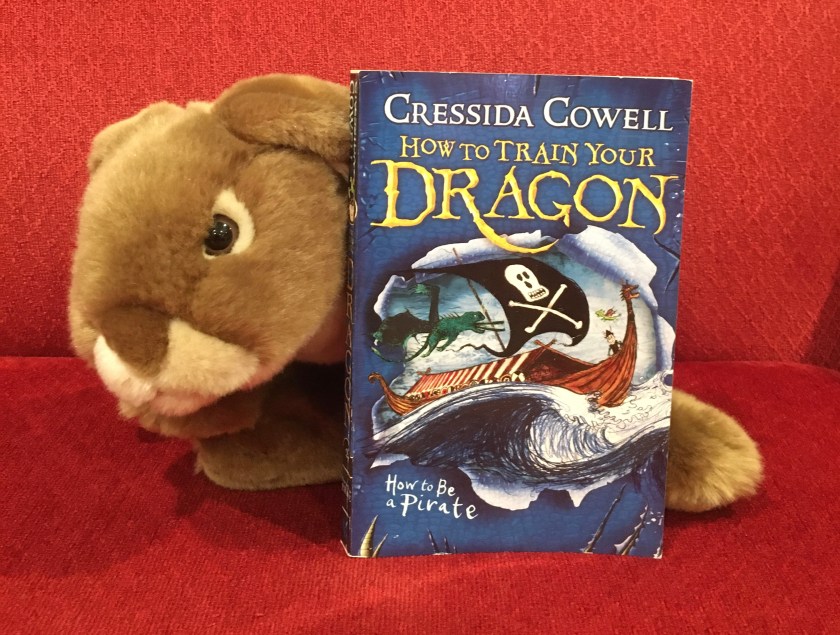
Caramel enjoyed reading The Science of Scabs and Pus: The Sticky Truth About Blood by Ian Graham, and is looking forward to reading the next book in the series.