Caramel reviews Pangolins by Lisa Fanton

Last week, when Caramel was reviewing the four books that make up the Endangered and Misunderstood series, he remembered one of his new favorite nonfiction books: Pangolins, a 2019 book written by Lisa Fanton full of amazing full-page photos and many inspirational quotes, as well as a lot of interesting facts about these intriguing little creatures. That is why he chose to discuss this book today in his blog post. As usual, Sprinkles is taking notes and asking questions.
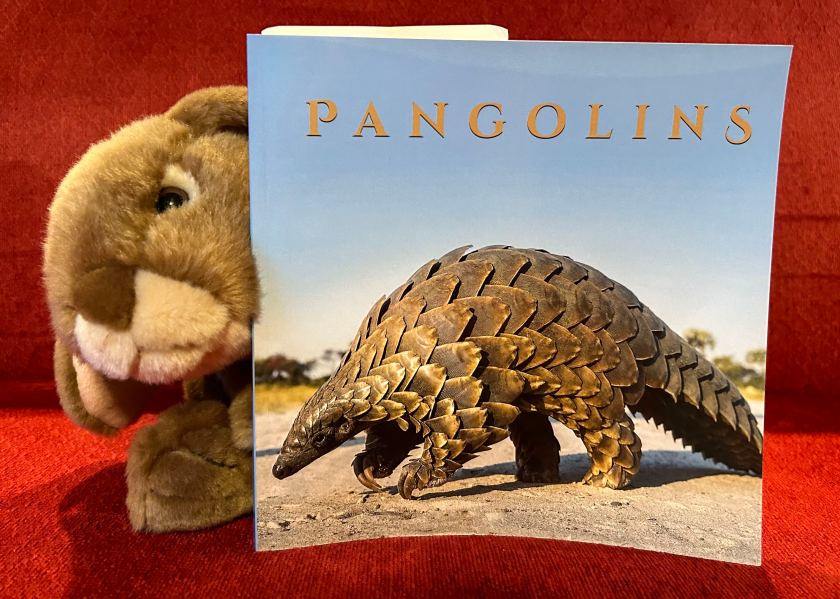
Caramel reviews Pangolins by Lisa Fanton.

Sprinkles: So Caramel, after last week, having talked about that pangopup in Adventures of a Pangopup, I had a feeling you were not done with pangolins. So here we are, talking about a book all about them. Can you first say a few words to introduce the book to our readers?

Caramel: Adventures of a Pangopup was fiction; this book, Pangolins, is nonfiction, all the way. And it has some startling news.

S: What’s this startling news?

C: There are eight species of pangolins around the world, and the news is that all eight are on the red list, which means that they are really in danger of going extinct.

S: Oh no! That’s terrible!

C: Yes! Of the eight species, four live in Africa and four in Asia, and all eight are hunted, almost to extinction. It is terrible.

S: What do people do with pangolins?

C: They kill them and take their scales. They grind them and use them in some traditional medicine and in soups. And some people eat the meat. They are tiny though!

S: Rabbits are small, too, and people eat them, too.

C: Yes, true, I don’t like to think of bunnies like me being eaten, either, but at least bunnies are not going extinct. And these are poor adorable creatures! Did you know their scales are made of keratin, same stuff making your nails and hair?

S: That is cool. And I saw in the book that they are the only mammals whose bodies are covered with scales instead of fur. That is so interesting!

C: Yes! And people hunt them for their scales! And I can’t believe it. If they want keratin, why don’t people use their nails instead? About this, there is a really nice sentence in the book I want to share:

Nobody in the world needs a pangolin scale … except a pangolin.

S: I agree with that sentiment completely Caramel. It seems this book has made you even more passionate about pangolins.

C: Yes! They are so cute! And people should leave them alone!
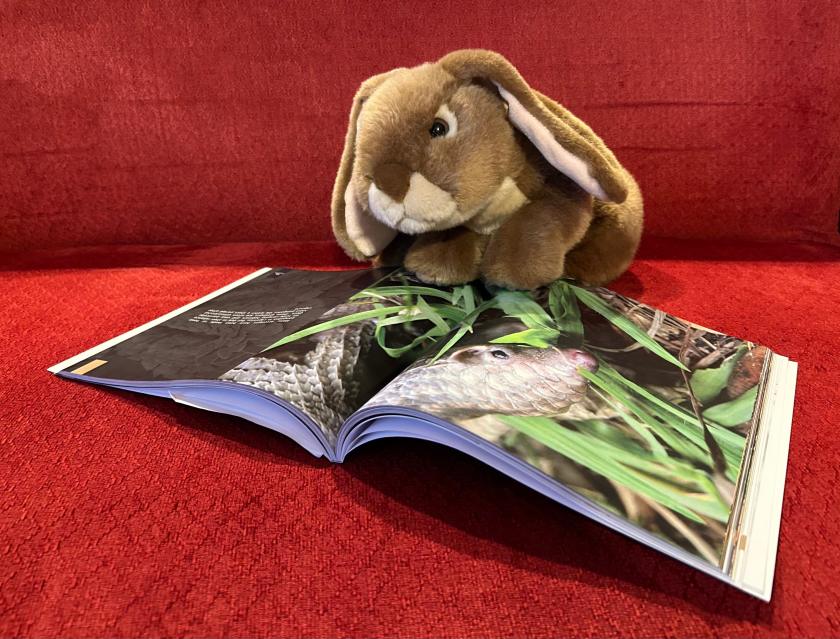
Caramel is reading Pangolins by Lisa Fanton.

C: Did you know that pangolins yawn? There is a really cute picture of a pangolin yawning in the book.

S: Yes, the photos in this book are all pretty amazing.

C: They are in full color, taken by professional photographers, and you can see the scales of the pangolins and their faces, too. And some of them are rolled up into a ball. The book says that some people call them walking pinecones and artichokes with legs, and I like those descriptions too.

S: They are quite accurate descriptions, I’d say.

C: But the pangolins are a lot cuter than pinecones or artichoke. And I like pinecones — I even reviewed a book about a pinecone — but I think the pangolins are a lot cuter still. And artichokes are tasty, so I don’t want people to think of pangolins as tasty edible things.

S: I understand that, Caramel.

C: Did you know that if they are caught, they thrash around and might cut the bag they are put in and so on? And when they are scared, they roll up into a ball, which is also very cute. And they fart to defend themselves.

S: They are really weird and really cute animals. And I think this book does a great job of showing how beautiful they can be in their natural habitats.

C: I agree. Here are my three words for this book: Informative, striking, because the photos are striking, and amazing. Because what else could a good book about pangolins be? Pangolins are amazing, and so is this book!

S: I agree, Caramel. I am not as passionate about pangolins as you are, but this book made me like them a lot more. They are really interesting creatures, and beautiful, too, in their own way. I also liked several of the quotes sprinkled throughout the book.

C: Yes, there are lots of nice quotes along with all the facts about pangolins. And that is why I called it informative.

S: Agreed. So do you think other young bunnies should read this book?

C: Yes. Young and old, all bunnies should. Because the pictures are amazing, and the facts are even better. And there are not too many words, so young bunnies can read them too.

S: Again, I agree. So it is about time to wrap up this review then. What do you want to tell our readers?

C: Stay tuned for more book bunny reviews!
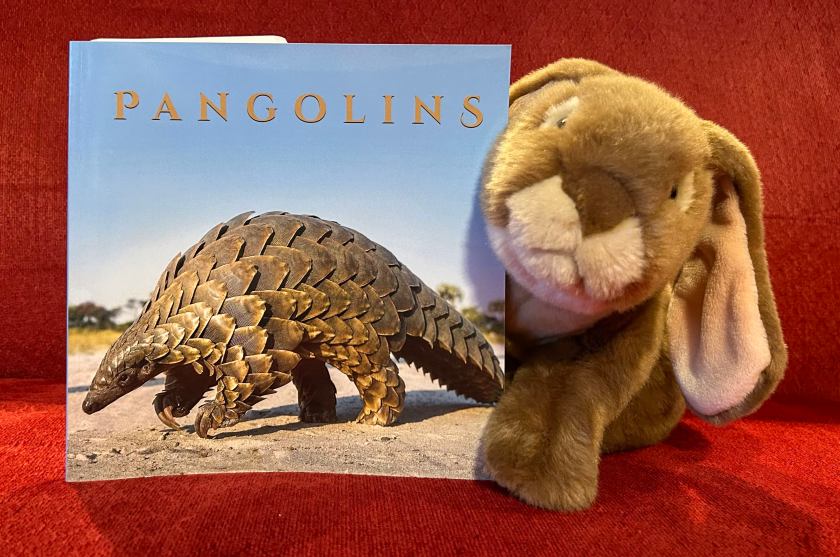
Caramel loved reading and rereading Pangolins by Lisa Fanton, and recommends it to all other bunnies who love living beings.

Caramel reviews the Endangered and Misunderstood series by Terri Tatchell

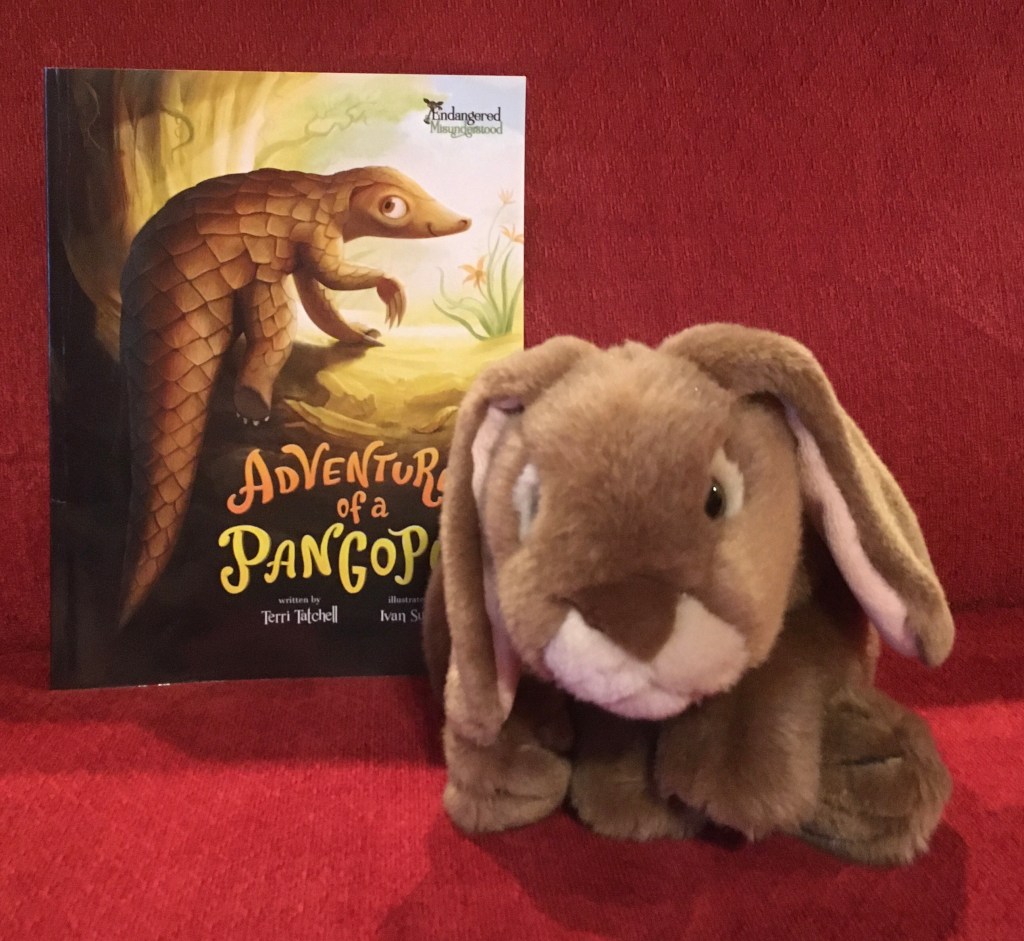
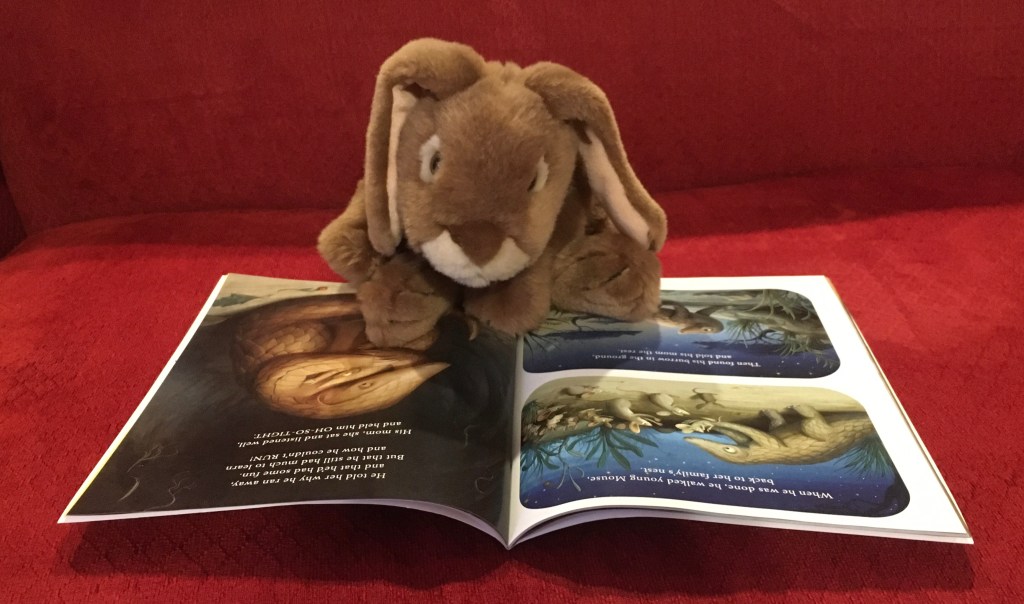
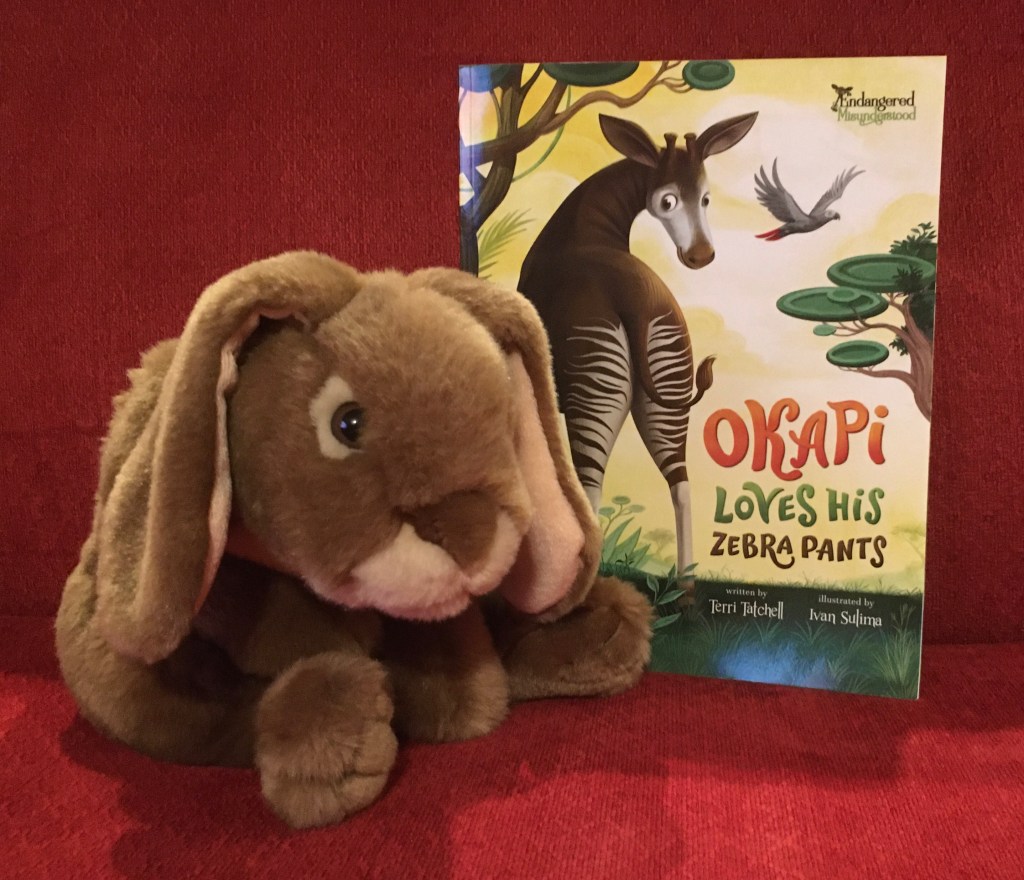
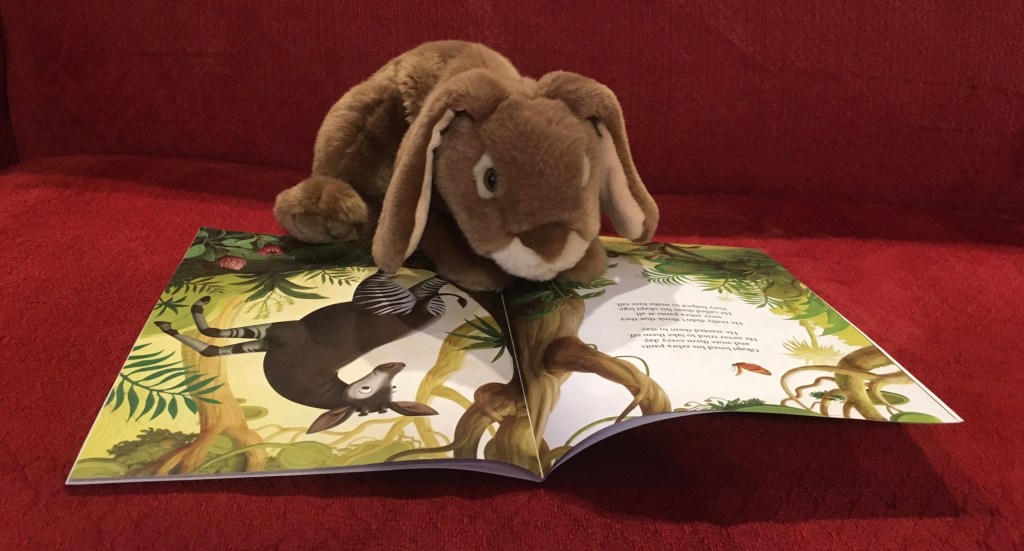
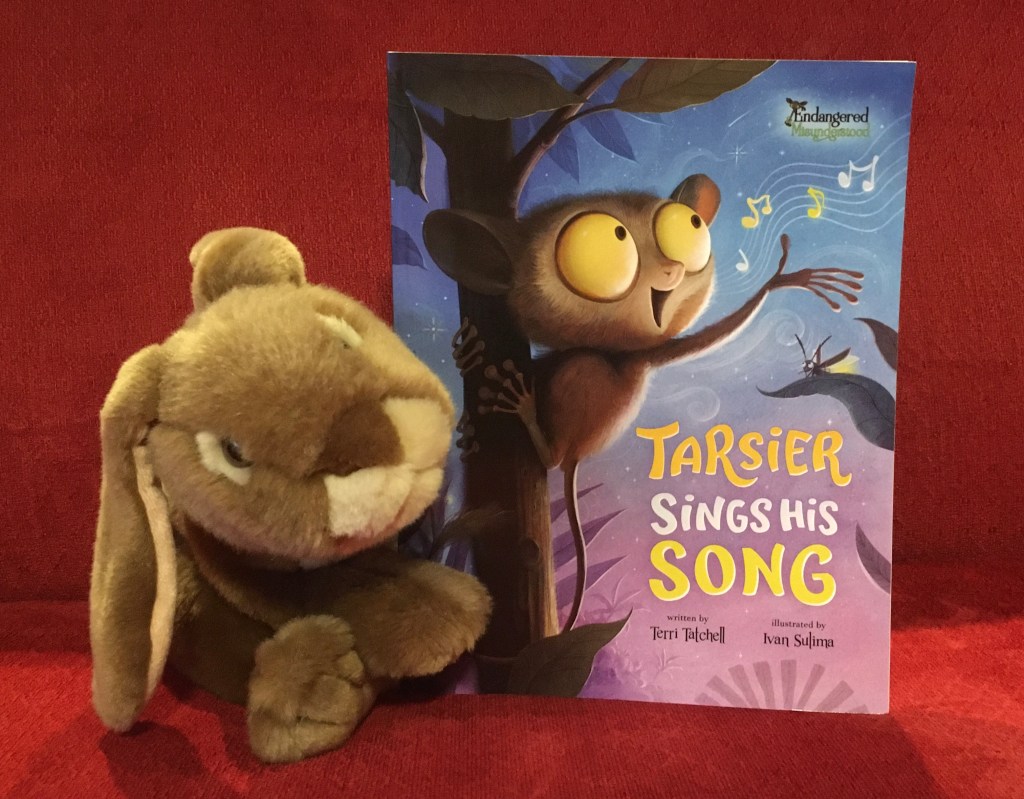
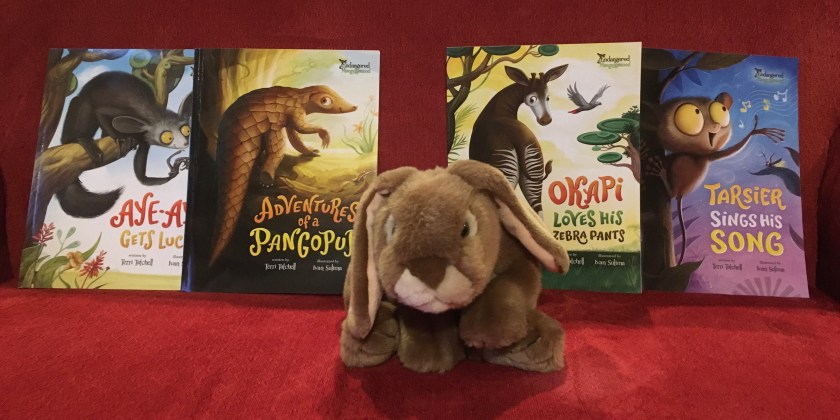
Being a young bunny, Caramel loves all small animals, but some he finds more endearing than others. Pangolins are among his favorites, and a search for a book on pangolins is what led him to Aye-Aye Gets Lucky, Adventures of a Pangopup, Okapi Loves His Zebra Pants, and Tarsier Sings His Song, the four books making up the Endangered and Misunderstood series written by Terri Tatchell and illustrated by Ivan Sulima. In this review, he shares his thoughts on these four lovely books that invite the reader to learn about the lives of some of the rarest animals on this planet. As usual, Sprinkles is taking notes and asking questions.

Caramel reviews Aye-Aye Gets Lucky, Adventures of a Pangopup, Okapi Loves His Zebra Pants, and Tarsier Sings His Song, the four books making up the Endangered and Misunderstood Animals series written by Terri Tatchell and illustrated by Ivan Sulima.
Caramel reviews Aye-Aye Gets Lucky, Adventures of a Pangopup, Okapi Loves His Zebra Pants, and Tarsier Sings His Song, the four books making up the Endangered and Misunderstood series written by Terri Tatchell and illustrated by Ivan Sulima.

Sprinkles: Caramel, I know you love animals, and you love books with lots of facts in them. So how did these books measure?

Caramel: I liked them! They have some facts that I did not know, even about pangolins, and you know I know a lot about pangolins already. So there are a lot of facts in the books. But also they are all really colorful.

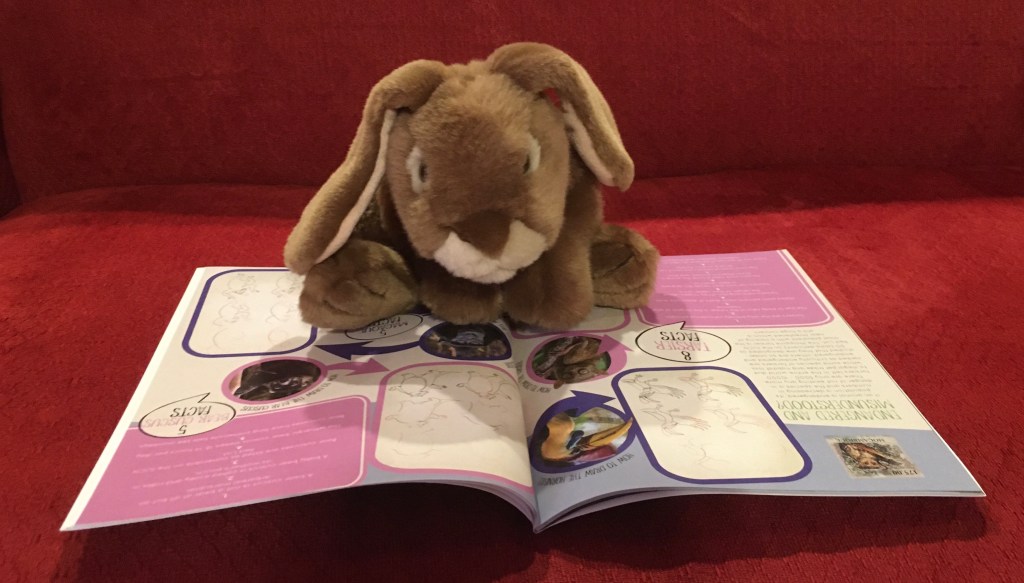
S: Yes, I noticed. All pages are very colorfully illustrated, and each of the books tells a story first. Yes, there are facts, but those are all at the end. The main chunk of each book is a story, right?

C: Yes, that is true. They all tell stories. And they are fun stories too.

S: So for example, tell us about the first book, Aye-Aye Gets Lucky. What is the story in the book about?

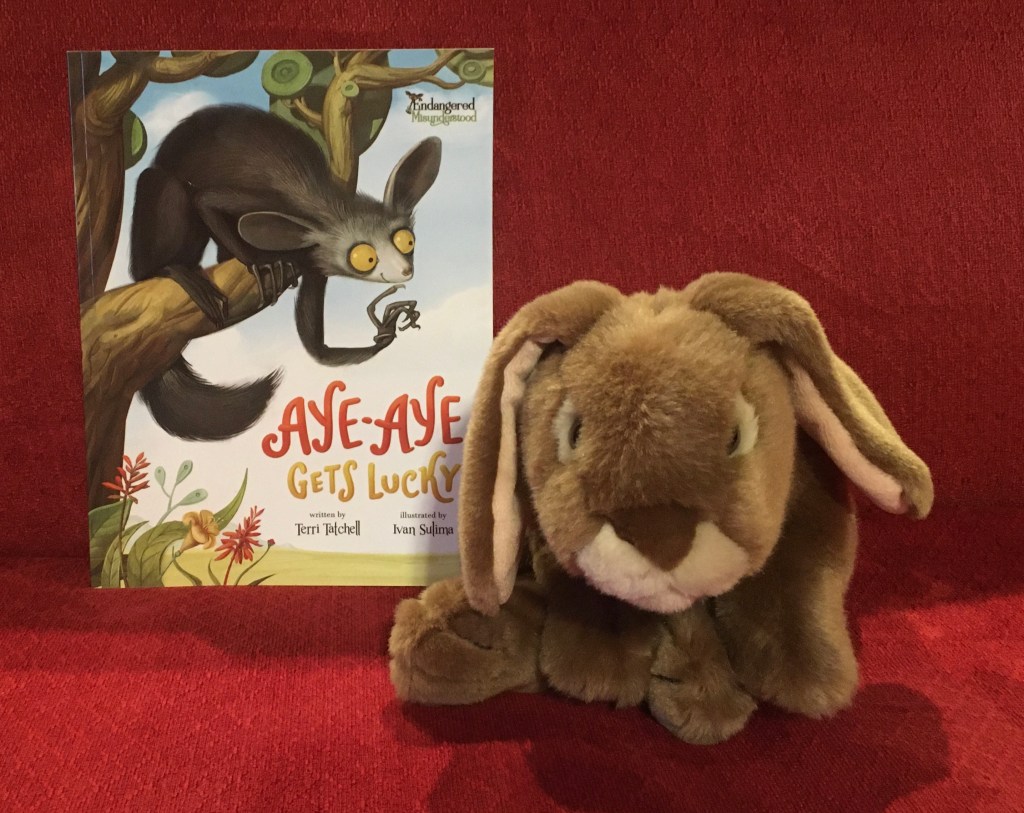
C: It is about an aye-aye who was feared and hated because he always played pranks on people. People thought he brought bad luck. But then he learned from a flying fox that maybe he could help the people and they would like him.

S: That is neat. But apparently the part about people thinking aye-ayes are bad luck is correct.

C: Yes, the facts in the back say that.

S: Did you know about aye-ayes before?

C: Yes, they are a type of lemur, but the story was fun to read, and the pictures were fun to look at. And I did not know most of the facts in the end of the book.

S: Okay, so the second book in this series is Adventures of a Pangopup. And I know you love pangolins, so I am guessing that you liked this book too.

C: Yes. I think pangolins are really cute and this book was cute too. Can we put a link to that website which has pictures of baby pangolins?

S: Sure, here it is: Pangopups: All About Baby Pangolins. So this book also starts with a story, right?

C: Yes. It is about a pangolin pup who is impatient and wants to go out on his own. His mom thinks he is too young, but he doesn’t listen. And he goes out and has fun and finds friends, but also gets into big trouble.

S: Yes, I can see this might be a good lesson for the pangopup.

C: Yes. And the story rhymes again, and it is funny, too.

S: I know you know all about pangolins. Did the facts pages have anything new for you?

C: I didn’t know they don’t have teeth! I also learned that the dik dik deer mates for life. Which is cool, I think.

S: These are both neat facts, Caramel!

S: Okay, on to the third book, Okapi Loves His Zebra Pants. What do you want to tell us about this book?

C: This one is very funny too. It is about an okapi, who is told by a prankster monkey that he is wearing a zebra’s pants. You see, an okapi is an animal whose back legs and behind have stripes like a zebra.

S: Did you know about okapis before?

C: Yes, but I did not know a lot about them. I only knew they had the stripes. But the book tells you ten facts about them, and I did not know any of them!

S: Ten facts about okapis and five about the African Grey.

C: Yes, so all the books have ten facts about the main animal, and five facts about the second animal in the book that the main animal is friends with. So for example, in Aye-Aye Gets Lucky, the aye-aye makes friends with a flying fox, so the five facts are about flying foxes. And in Adventures of a Pangopup, the pangolin baby makes friends with a dik dik deer, so there are five facts about the dik dik deer. So in Okapi Loves His Zebra Pants, the okapi is friends with an African Grey parrot, so we learn facts about them.

S: That is cool!

S: And finally let us talk a bit about the fourth and last book in the series, Tarsier Sings His Song. I’m guessing this is about a tarsier, whatever that is.

C: Yep. So a tarsier is a primate. And this time, there are eight facts about the main animal. Because there are also five facts each about two other animals: the cuscus bear and the crested macaque. And did you know that the bear cuscus is not really a bear? It is a marsupial!

S: Kind of like how a guinea pig is not a pig?

C: That’s true.

S: Did you know about tarsiers, cuscus bears, or crested macaques before? I did not.

C: I had read about all three of them actually, but I did not know for example that the tarsier is the only completely carnivorous primate.

S: That’s interesting Caramel. I thought primates were omnivorous.

C: Me too. So I learned a lot from this book too.

S: That is cool. What is the story in this book?

C: The tarsier is trying to find a mate by singing, and his friends try to help him sing better. And in the end everyone is happy, so I liked this book a lot.

S: And I liked reading all these books with you! They were long though.

C: Yes, each book is over twenty-five pages long. But the stories are really interesting and funny.

S: They are also very cute and sweet.

C: Those would be my three words for these books: funny, cute, and sweet.

S: I agree with your choices Caramel. Wasn’t it fun to learn about these different animals together?

C: Yep.

S: You know they make up a series together, right?

C: Yes, they are called “Endangered and Misunderstood”.

S: True, everyone loves cute and fluffy animals but these animals are not known or cared for by many people. I know you love pangolins, but you are a pretty special bunny…

C: But these animals are going extinct! That’s what “endangered” means. Apparently, the money they will make from these books will go to conservation efforts for the main animal for each book. That’s what it says on the first page of each book.

S: That is really cool, don’t you think?

C: Yep. I’m glad we read these books. And maybe we can reread them some time.

S: Yes, that would be nice. This is a good time to wrap up this review, I think. What would you like to tell our readers, Caramel?

C: Stay tuned for more book bunny reviews!
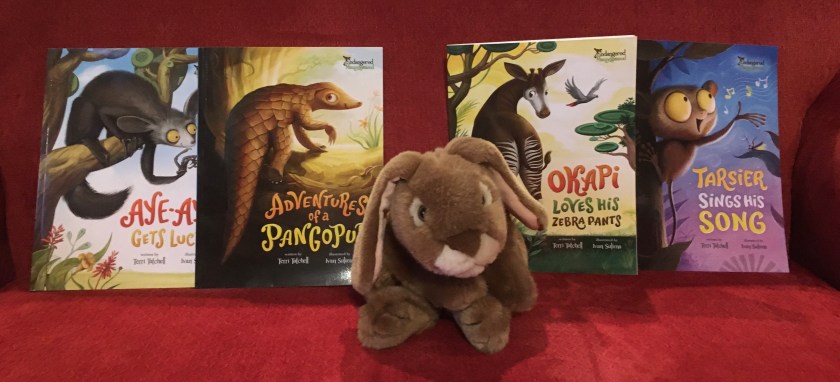
Caramel loved reading Aye-Aye Gets Lucky, Adventures of a Pangopup, Okapi Loves His Zebra Pants, and Tarsier Sings His Song, the four books making up the Endangered and Misunderstood series written by Terri Tatchell and illustrated by Ivan Sulima, and he encourages other little bunnies to read them too.

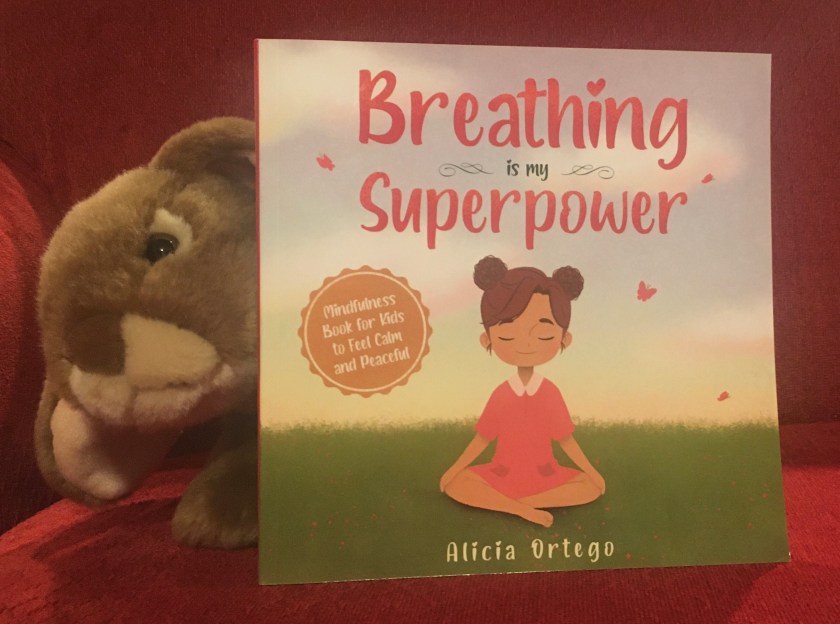
Caramel reviews Breathing is My Superpower by Alicia Ortego

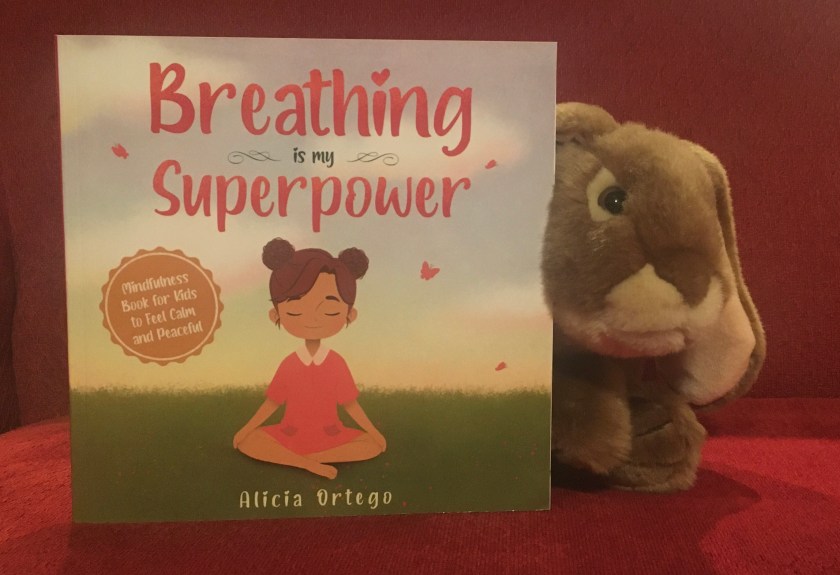
Caramel is a young bunny who likes to read books, big and small. In this blog he has been reviewing picture books, graphic novels, chapter books, and even a couple middle grade books, blogging about whatever comes his way and strikes his fancy. This week he reviews a cute little book by Alicia Ortego published in 2020 titled Breathing is My Superpower. As usual, Sprinkles is taking notes and asking questions.

The book bunnies received this book as a review copy.

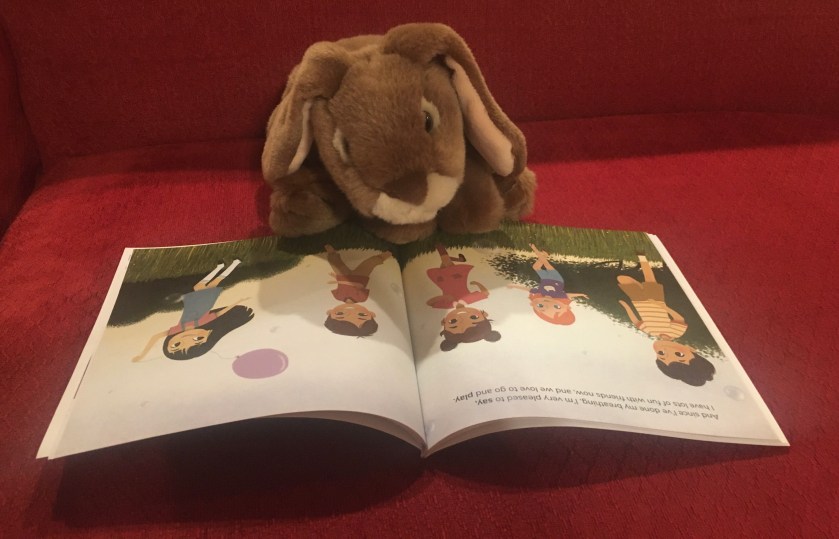
Caramel reviews Breathing is My Superpower by Alicia Ortego.

Sprinkles: Caramel, tell us a bit about this book, please.

Caramel: This is about a girl named Sophia. She gets angry and anxious a lot. And so her mom teaches her a technique to calm herself down.

S: What is this technique?

C: Breathing. Like in the title of the book.

S: I see. So Sophia can use breathing as a superpower, because it helps her calm down and not get too angry or anxious.

C: Yes.

S: This kind of reminds me of a book you reviewed a while back, Train Your Angry Dragon by Steve Herman.

C: Yep. I remember that book. It was about a dragon named Diggory Doo who was the pet dragon of a boy named Drew. And Drew was telling us how to help Diggory Doo calm down when he would be about to have a temper tantrum. So, yes, this book is kind of like that one.

S: Yes, you are right. But Breathing is My Superpower focuses exclusively on one technique.

C: Yes! And that is breathing.

S: You know, I tried it the other day, to do exactly as Sophia tells us, to use your hand and breathe five times, once per finger, and it worked really well to slow down my mind and take a break.

C: I tried it too, but I did not have the patience. I stopped at two.

S: Well, you were probably just breathing and counting, and you were not stressed, anxious, or angry, were you?

C: Yes that is true.

S: I think the breathing is a tool for times when you are feeling some of those strong feelings. It does work at those times. At least it did for me.

C: I guess I should try and remember that the next time I get annoyed at things.

S: Yes, I think it takes some practice to remember this kind of thing when you have strong emotions, but it is worth trying.

C: Okay, I will give it a try if you say so.

Caramel is reading Breathing is My Superpower by Alicia Ortego.

S: This book also reminded me a bit of Somewhere, Right Now by Kerry Docherty, which is a newer book that you reviewed this year. That, too, was about being calm in the midst of all the things going on around us.

C: True. Both books are also rhyming. Or at least this one is. I am not sure anymore if that other book rhymed.

S: Yes, the book has a simple rhyme which can make it more fun to read out loud.

C: Maybe we can read it together after the review? And apparently there are three more books in the series. They all have some new superpower in the title. There is Kindness, Acceptance, and Gratitude.

S: Hmm, I am guessing they too are about how kids can learn to manage big emotions. And the gratitude one sounds like it could help people play Pollyanna’s glad game

C: I did not read Pollyanna, but you mentioned her before.

S: Yes, Pollyanna is a fictional character, a little girl who makes up this game where she tries to find something to be happy about even when bad things happen.

C: That sounds hard.

S: I agree. So maybe breathing is not that hard in comparison.

C: Yes, I agree with that. But apparently I might need some practice with the breathing to remember to do it when I need it.

S: Agreed. So let us wrap this up with your three words for the book.

C: Colorful, rhyming, and smiling, because all the people in all the pictures are smiling.

S: Yes, I like those words. The book has a simple idea but it is an important one. So I am glad we read it. And maybe we can just read it together one more time after the review, like you said. What do you want to tell our readers at this moment?

C: Stay tuned for more book bunny reviews!
Caramel enjoyed reading Breathing is My Superpower by Alicia Ortego, and he recommends it to young bunnies and their adults to read together and discuss relaxation methods, practicing them along the way.

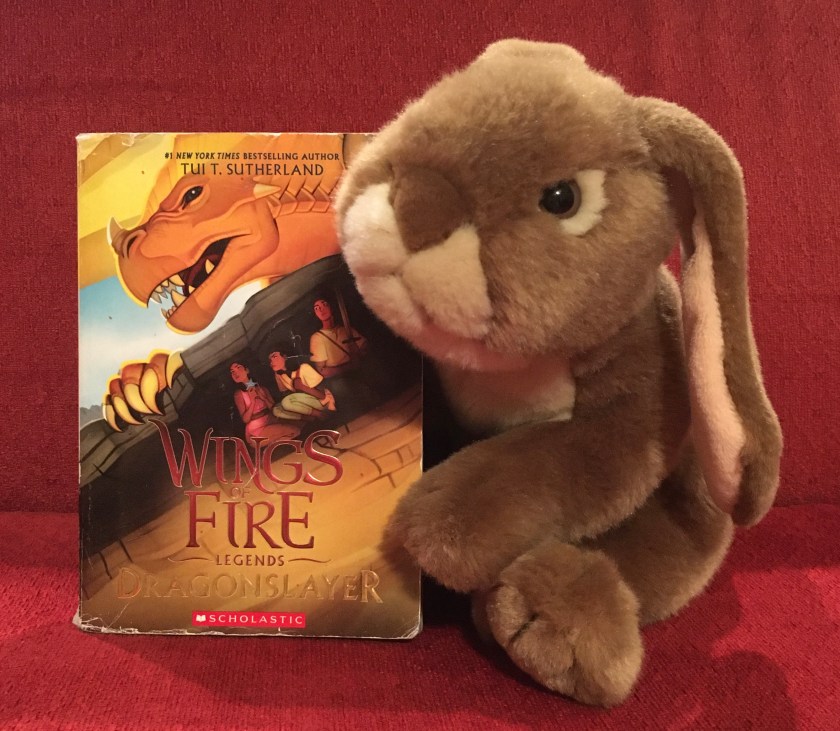
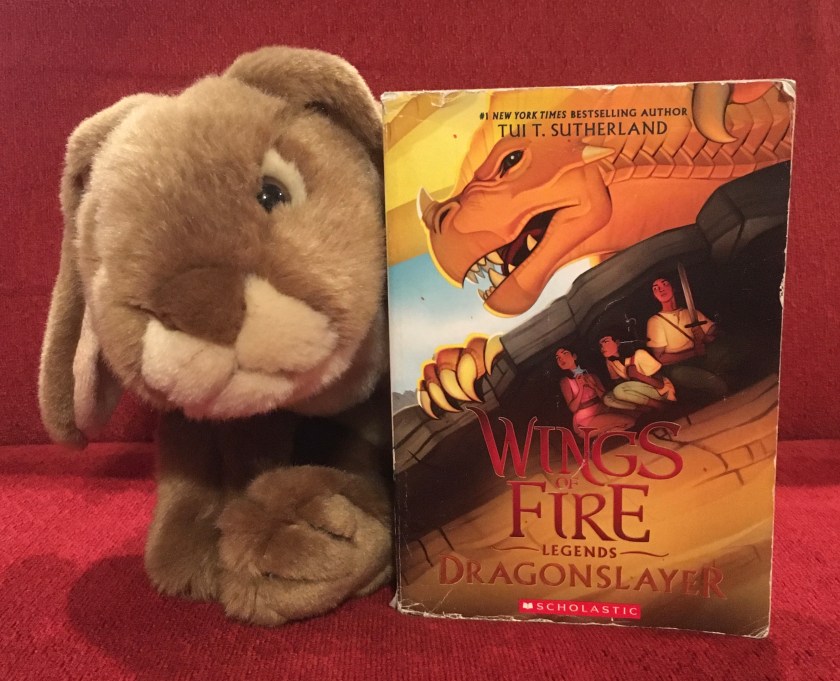
Caramel reviews Dragonslayer by Tui Sutherland

Caramel loves all things dragon, and has read and reviewed all fifteen books in Tui Sutherland’s Wings of Fire series. (His review of the fifteenth book, The Flames of Hope, contains links to all his reviews of the previous books.) Last week, he reviewed Darkstalker, the first of Sutherland’s “Wings of Fire: Legends” series that recounts some of the backstories and the legends of the world of dragons, in a way explaining and interpreting the events of the original series. Today he talks with Sprinkles about Dragonslayer, the second book in the Legends series, which was published, in 2020, in between books thirteen, The Poison Jungle (2019), and fourteen, The Dangerous Gift (2021).

Caramel reviews Dragonslayer by Tui Sutherland.

Sprinkles: Caramel, last week you reviewed Darkstalker by Tui Sutherland, tbe first book of the “Wings of Fire: Legends” series, and here we are today, with the second book. What do you want to tell us about it?

Caramel: It is as good as Darkstalker, but it is very different from all the other Wings of Fire books because its main characters are humans this time, and not dragons.

S: That is interesting! The dragons call humans “scavengers”, right?

C: Yup.

S: Why is that?

C: I don’t know. They never really explain.

S: Maybe it is a way to show us how the dragons see humans, as weak creatures skulking about, and trying to steal treasure or food when they can.

C: Maybe.

S: Okay, sorry for the distraction. Tell me more about Dragonslayer.

C: Okay. There are three main characters in this book, just like in Darkstalker. They are called Ivy, Leaf, and Wren. My favorite is Wren, because she is a strong female character, and she can talk to dragons, which I think is awesome.

S: I think she is abandoned by the other humans so makes friends with a dragon, right?

C: Yes, that’s more or less accurate. And Leaf is Wren’s brother but thinks she is dead. Everyone thinks Wren is dead. They tried to feed her to the dragons, but they messed up.

S: So they wanted to sacrifice her somehow?

C: Yes, exactly. So the humans live in villages, and they end up causing the war that was the main topic of the first five books in Wings of Fire. They kill the SandWing queen Oasis, and so a war begins among the SandWings to choose a new queen between her three daughters, Blister, Blaze, and Burn.

S: I remember that was the main problem in the Dragonet Prophecy story arc.

C: We even see the dragonets in their cave in this book! In fact we even see Kestrel, the female SkyWing who was one of their guardians. And we see Kestrel’s other child, Peril’s brother. It’s pretty cool.

S: So you would benefit from having read the first five books before reading this one, right?

C: I guess. But I think you could even start with this book if you wanted to. It does not say anything about the prophecy.

S: But I guess if you started the Wings of Fire series with this book, you would probably get the wrong idea. Because this one is all about humans and told from their perspective. And all the other books are about and from the perspective of the dragons. So Dragonslayer is in some ways quite peculiar among all the other books, right?

C: Yes. And I am not sure I love that it is about humans. I do like the series because I really like the dragons and I want to learn about their world.

S: Still, maybe one book out of seventeen so far being centered around some human characters might be acceptable?

C: Yes. I am not really complaining. I like the book. But maybe I like the ones told from the dragons’ points of view a bit more.

Caramel is reading Dragonslayer by Tui Sutherland.

S: So you told us a bit about the main characters, and you told us that one could read it any time in parallel with the other books in the series —

C: Well, they should probably read it before the fourteenth book, The Dangerous Gift.

S: Why is that?

C: Some of the characters show up as important characters in the last two books, and so it would be helpful to know their backstory. And actually, some of them apparently show up even earlier, in The Brightest Night, the fifth book. But I read the whole series before the Legends, and that worked well, too.

S: I see. So can you tell me in one sentence or two what the story is about? What are Ivy and Leaf and Wren doing?

C: The story tells us the human version of the events in Pyrrhia. But also Leaf and Ivy are looking for Wren, because at some point Leaf realizes Wren is not dead.

S: Who is the Dragonslayer in the title?

C: It is Ivy’s father. He is known as the dragon slayer because he apparently has slayed dragons in his youth, but Ivy eventually learns a lot more about him. We also read about how Wren learns to communicate with a dragon so that there might be some hope for humans and dragons to live in harmony.

S: Hmm, so this could eventually merge with your other favorite dragon story, the How to Train Your Dragon series, where humans and dragons are living in some sort of cooperative relationship, at least the TV series version?

C: Well, I think that could be neat. But then again, I also like that the dragons in Pyrrhia and Pantala can tell their stories independent of the humans. So I don’t need that to happen; I don’t need dragons and humans to become friends. The dragons are cool the way they are. But maybe they could be less cruel to humans.

S: I agree. So let us wrap things up with your three words for this book.

C: Human, amazing, funny. Human because there are humans as main characters now. And all the books in the series are amazing! And they are funny!

S: Those will work. What do you want to tell our readers now?

C: Stay tuned for more book bunny reviews!
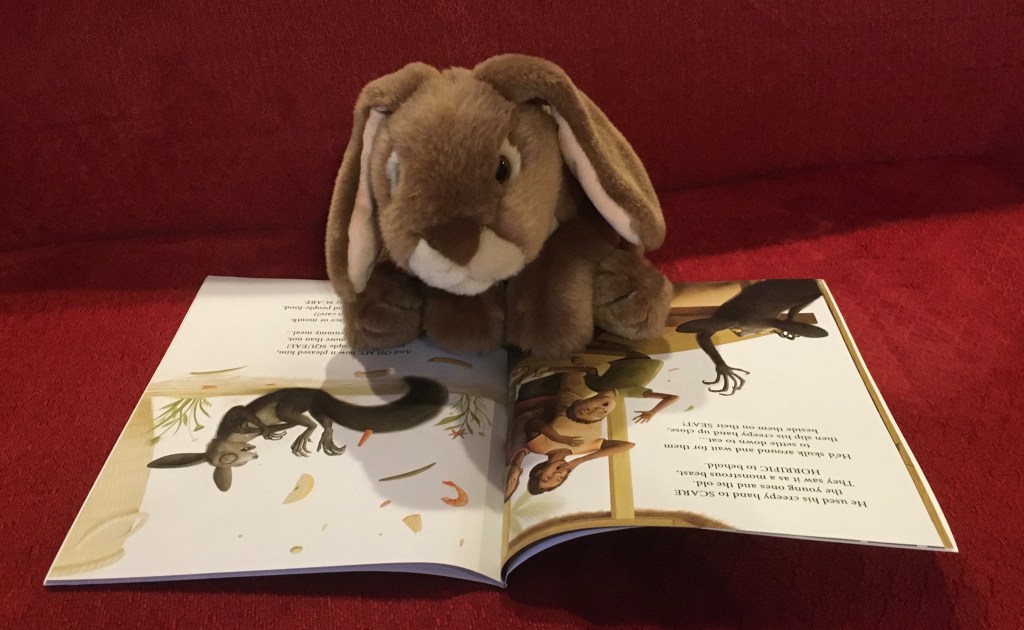
Caramel enjoyed reading and rereading Dragonslayer by Tui Sutherland so many times, the book is already showing some wear-and-tear, but it is clear that even this will not stop him from continuing to read and reread his favorite series over and over again.
Caramel enjoyed reading and rereading Dragonslayer by Tui Sutherland so many times that the book is already showing some wear-and-tear, but it is clear that even this will not stop him from continuing to read and reread his favorite series over and over again.